
Maharashtra coaching centres seek one-time registration, lower space norm; oppose under-13 ban
Ruchika Kumari | September 2, 2026 | 09:04 AM IST | 3 mins read
SCCTI has sought relaxations in Maharashtra's proposed coaching-class regulations, including norms on registration, student age, classroom space, fees, infrastructure and penalties.
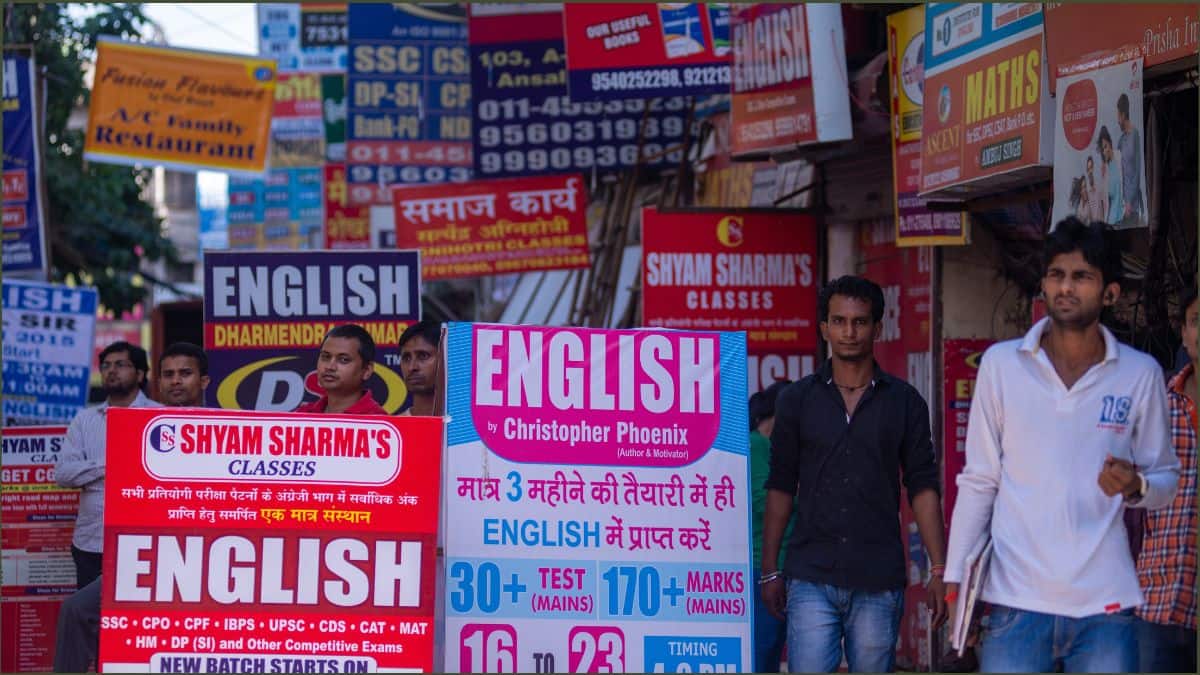
The State Consortium of Coaching Teachers & Institutes (SCCTI), an organisation representing coaching teachers and coaching-class operators in Maharashtra, has sought relaxation of several provisions in the state government’s proposed regulations for private coaching classes, saying the rules in their current form are too stringent for operators. The Maharashtra government has uploaded the long-awaited draft regulations for the coaching-class sector on the portal of the Ministry of School Education and Sports and invited suggestions and objections from stakeholders until September 4 (6pm).
In a press note, SCCTI spokesperson Bandopant Bhuyar said coaching-class operators were willing to cooperate with the government if the proposed conditions were relaxed.
One of the key demands of the organisation is that coaching classes be categorised as small, medium and large, arguing that uniform conditions cannot be imposed on every coaching centre in a state as large as Maharashtra. It has also sought to limit the registration requirement to coaching classes with more than 100 students and make registration a one-time process instead of requiring renewal every three years.
SCCTI has opposed the proposed restriction on students below 13 years of age, seeking a provision that would allow such students to attend coaching classes with their parents' consent.
The organisation has also demanded that the minimum space requirement be reduced from one square metre to 0.5 square metre per student. It has sought removal of the degree requirement for experienced teachers, arguing that teaching at coaching classes depends more on skills and experience than formal educational qualifications.
Coaching fee refund, counsellor visits, school timings
On fees, SCCTI has proposed that if a student leaves a coaching class during the first term, the fee for the second term should be refunded, while no refund should be made if the student leaves during the second term. It has also sought government support for cases in which students stop paying fees after taking admission.
The organisation has demanded that the requirement for preserving records be reduced from 10 years to three years. It has also opposed the requirement for separate toilets for boys and girls, saying a common toilet facility should be permitted.
On accessibility, SCCTI said students with disabilities should be allowed to choose coaching classes where the available facilities are suitable for them, arguing that it may not be feasible for every centre to provide every disability-related facility, such as ramps.
The organisation has proposed that a counsellor or psychologist visit coaching classes once a month. It has also termed the proposed penalties excessive and suggested a graded system of a verbal warning for the first violation, a fine of up to Rs 5,000 for the second violation and Rs 10,000 for the third violation. SCCTI further sought advance information before government officials inspect a coaching class.
Also read Maharashtra allows two medical colleges to get private university status
Another demand concerns school schedules. The organisation has urged the government to keep the timings of all schools for Classes 5 to 10 uniform across the state, with similar unit-test syllabi and timetables and common schedules for first- and second-term examinations.
The draft regulations have previously drawn objections from coaching-class operators who argued that several proposed infrastructure and operational requirements could disproportionately affect smaller coaching centres. The sector has also raised concerns over provisions concerning student age, classroom space, parking and coaching hours.
Apart from its objections, SCCTI has made three suggestions to the government.
- It has proposed an 'Ideal Teacher Award' for qualified teachers with more than 25 years of experience working in schools or coaching classes
- The appointment of highly qualified and experienced coaching-class directors to the State Board of Studies
- Voting rights in the Teachers' Constituency for officially registered coaching-class directors.
SCCTI said that if its objections and suggestions are not accepted, the state-level organisation would launch a united and democratic movement on behalf of coaching-class operators and ultimately approach the courts for legal action.
 Add as a preferred source on google
Follow us for the latest education news on colleges and universities, admission, courses, exams, research, education policies, study abroad and more..
To get in touch, write to us at news@careers360.com.
Next Story
]NEET UG 2026: Three Maharashtra colleges to skip round 1 amid private university transition
After receiving private university recognition, 40% of institutional seats will be reserved for Maharashtra domicile candidates, while fees will be determined by the respective university’s Fee Fixation Committee.
Ruchika KumariLatest Education News
]Related News
]CBSE Date Sheet 2027 LIVE: Class 10, 12 board exam schedule soon; passing marks, paper pattern
Delhi CM inaugurates school, technical training centres; lays foundation stones for projects


