
Delhi CM announces 10,000-bed hostel plan after Satya Niketan PG collapse incident
Vaishnavi Shukla | September 15, 2026 | 05:45 PM IST | 1 min read
Delhi will offer hostel facilities for both male and female students, ensuring affordable and safe accommodation for those coming to the national capital to pursue higher education
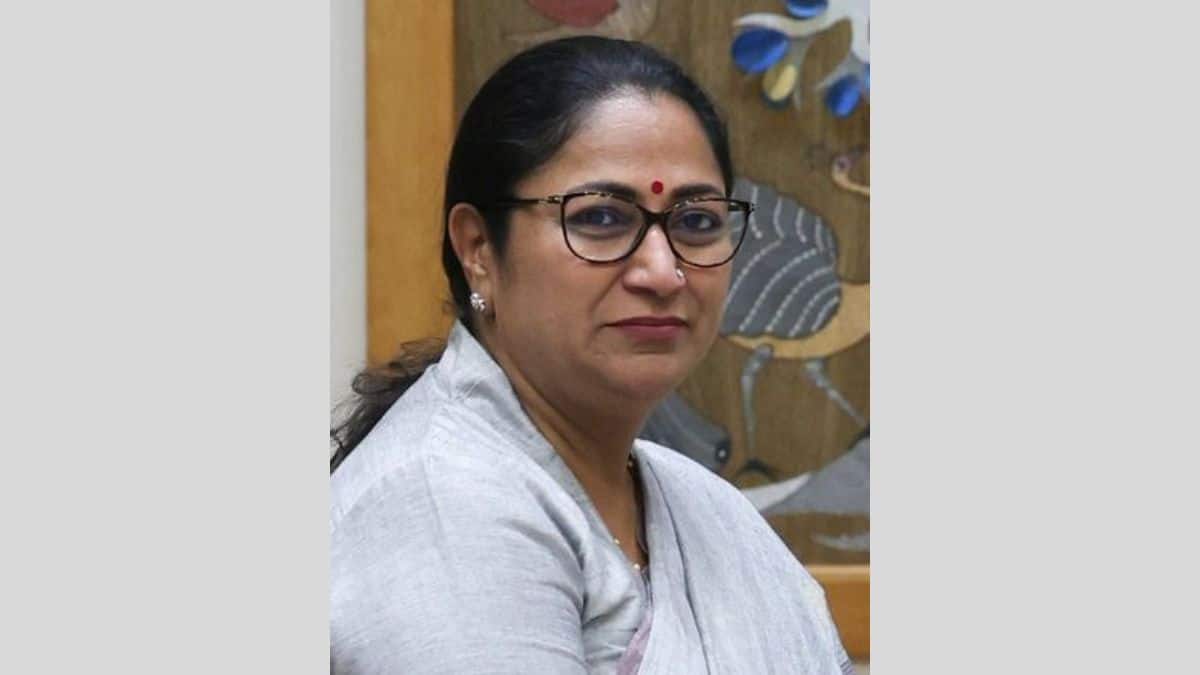
Days after the Satya Niketan PG building collapse, the Delhi government has decided to construct hostels with capacity for 10,000 male and female students to ensure safety and access to affordable housing. Delhi chief minister Rekha Gupta said that any student coming to the country’s capital for higher education will be able to avail of these facilities.
CM added that the decision comes after addressing the shortage of affordable and safe accommodation for students coming to Delhi.
CM Gupta held a meeting with the relevant departments capable of constructing hostels, identified suitable locations, and initiated the drafting of a policy. CM added that students' needs and amenities will be considered within these hostels.
While announcing the update on social media through a video, CM Gupta added: “I assure you that we will construct hostels where parents can leave their children with complete peace of mind, and students will be free of worries about food or accommodation, allowing them to focus entirely on pursuing their dreams.”
Hostel for Delhi University students
Notably, after the PG building tragedy, the University of Delhi made an announcement to double its hostel capacity across the university and its affiliated colleges, with the number of seats expected to reach 12,754.
Before the decision, only DU’s Sri Venkateswara College in the South Campus area offered hostel facilities for both male and female students, but with limited capacity. Nearly six people, including students, died in the PG building collapse in Delhi.
 Add as a preferred source on google
Follow us for the latest education news on colleges and universities, admission, courses, exams, research, education policies, study abroad and more..
To get in touch, write to us at news@careers360.com.
Next Story
]India added 196 public universities in 15 years, but most barely functional; private ones outnumber them
While Rajasthan added 40 new private universities, Gujarat saw the highest growth with 54; funding, bureaucratic hurdles and often, governors, have slowed expansion of higher education in public universities
Shradha ChettriLatest Education News
]Related News
]UP: 150-plus IVRI Bareilly students protest seeking hike in internship stipend
SFI, ABVP members clash in Bengal's Raiganj University over Gyanesh Kumar's resignation demand
Maharashtra cabinet hikes hostel allowances for tribal students, to set up centre of excellence in colleges


