
Tamil Nadu CM Vijay urges PM Modi to drop centralised NEET exam for veterinary admissions
Soumi Roy | August 8, 2026 | 04:11 PM IST | 2 mins read
The letter says that states should be allowed to continue student admissions to veterinary programmes based on class 12 marks.
NEET 2026 College Predictor
Predict your MBBS, BDS & AYUSH admission chances with the NEET College Predictor. Get personalized college recommendations based on rank, category & quota.
Try Now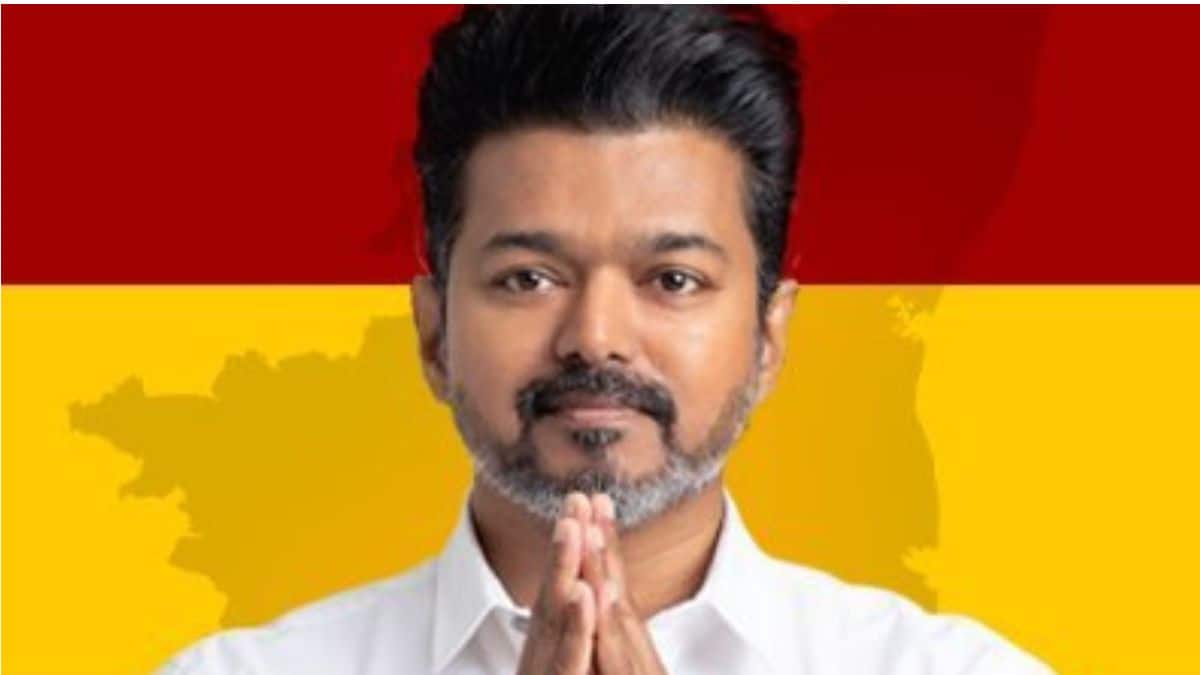
Tamil Nadu Chief Minister (CM) C Joseph Vijay has written to Prime Minister (PM) Narendra Modi requesting him to reconsider the proposed common entrance test, or National Eligibility cum Entrance Test (NEET) based admissions system for Bachelor of Veterinary Science and Animal Husbandry (BVSc & AH) courses. In his letter to PM Modi, Vijay requested that the states be allowed to continue admitting students to veterinary programmes based on the class 12 marks or through admission criteria determined by the individual state governments.
According to an official release issued, the Veterinary Council of India (VCI) has mandated a Common Entrance Examination for these admissions across all veterinary colleges. The VCI has further advised that if such an exam is not conducted, states must adopt the NEET (UG)-2026 merit list for admissions starting from the 2026-27 academic year.
In his letter expressing serious concerns over this proposal, Vijay said, "Tamil Nadu has followed a system of admitting students to professional courses based on class 12 marks for decades. This model ensures that deserving students from rural areas, government schools, and economically weaker sections get a fair opportunity to pursue higher education."
Vijay cites access, federalism concerns
The chief minister also referred to centralised exams like NEET creating significant barriers for students from disadvantaged backgrounds. He highlighted recent irregularities surrounding the National Testing Agency (NTA), including exam cancellations and a CBI investigation into alleged question paper leaks in 2024, making NEET an inappropriate metric for veterinary admissions.
Vijay further said that veterinary education is connected closely with the agricultural and livestock requirements of individual states. He argued that admission policies for such courses should therefore take into account state-specific needs and remain within the decision-making framework of state governments.
This issue is expected to remain significant for students seeking admission to veterinary courses from the 2027-27 academic year, particularly in states that currently follow their own admission processes.
(With PTI inputs)
 Add as a preferred source on google
Follow us for the latest education news on colleges and universities, admission, courses, exams, research, education policies, study abroad and more..
To get in touch, write to us at news@careers360.com.
Next Story
]Latest Education News
]Related News
]Students protest in Latur, accuse Dipke of leaving NEET struggle midway, moving on to other issues
NEET 2027: Education minister reviews NTA exam readiness ahead of CBT infrastructure shift


