
West Bengal crackdown on 252 ‘unrecognised’ madrassas leave parents scrambling for alternatives
Pritha Roy Choudhury | September 18, 2026 | 05:26 PM IST | 5 mins read
Families in a fix over shifting their children mid-session as WBBME-affiliated madrassa bodies question why some of the flagged institutes in West Bengal were never inspected
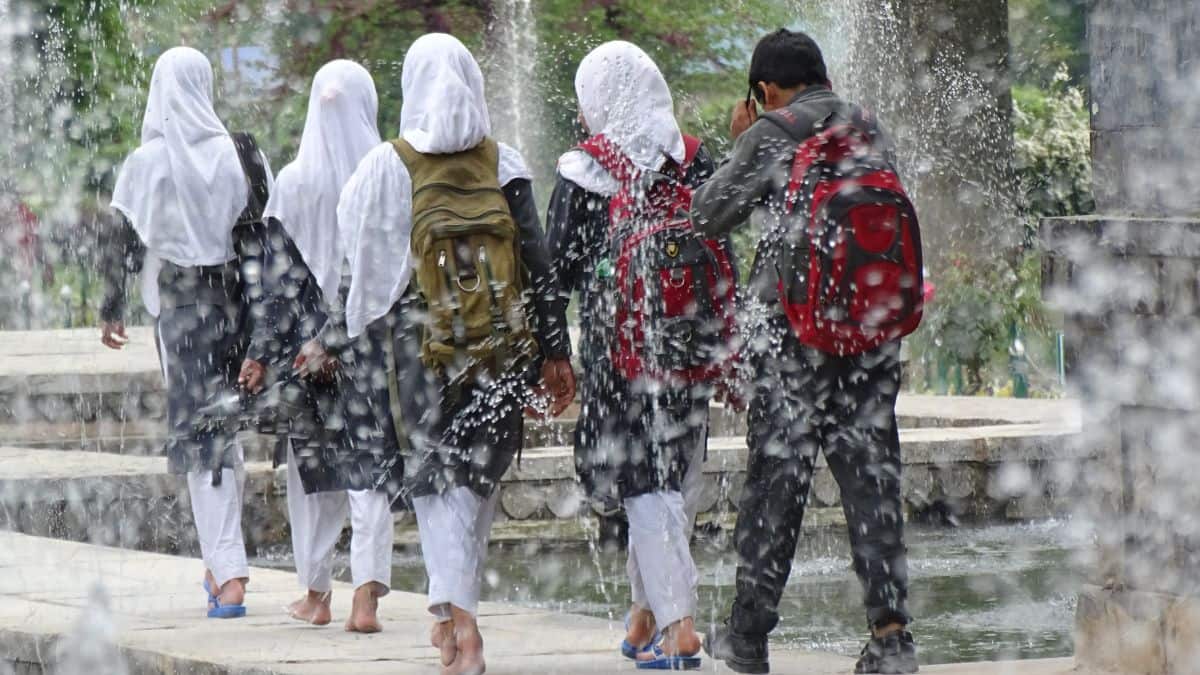
Mughle Ali Khan is worried he’ll have to “run around” again and find another school. His son, Anisur was in Class 3 of a madrasa in Namkhana village of South 24 Parganas. That is now one of the 252 unaided madrasas that the West Bengal government’s department of madrasah education has declared unrecognised.
The action by the BJP government in Bengal has unsettled families across districts where madrassa education remains a preferred choice, particularly for its blend of subjects.
“This was a good school, a good madrassa, the Durgapur Jamia Arabia Darul Uloom Siddikia Anwaria Senior Madrasah in Namkhana… It’s sad that the government is saying this madrassa is not recognised now. I will now have to admit my son to another school which is far off,” said Khan, adding that his family valued the madrasah system because it let children study multiple languages, including Urdu, Arabic, Bengali and English.
The West Bengal government’s move comes in the wake of a statewide survey on madrassas by district administrators and a special team that examined management, teaching staff, student enrollment, infrastructure, funding, and recognition status.
West Bengal Madrasah: Action raises questions
The West Bengal government’s list, titled “Details Unaided Madrasah without valid Recognition (252)”, and dated August 6, 2026, contains the names of the 252 institutions facing action. But the rollout has raised questions even among some madrassa authorities about inconsistencies in how recognition has been assessed.
S K Samad, secretary of Durgapur Jamia Arabia Darul Uloom Siddikia Anwaria Senior Madrasah in Namkhana, said his institution had recognition since 2001 and cannot explain why it was flagged.
The madrassa was started by his father Sheikh Tufan Ali. He said an inspection had taken place during his father’s time and the institution was told that all its requirements, including infrastructure and library facilities, were in place.
Samad said the madrassa currently has 183 students and runs Classes 1 to 8. He said the management wants another inspection so that the institution’s recognition status can be examined. “We have again appealed for an inspection,” he said.
However, Samad’s school actually does not appear in the government's 252-institution list, leading to a broader confusion around which schools are affected and why.
West Bengal: Madrassa inspections, alternatives
Sufiyan Paik, president of the Madrasa Teachers Association, said the government had deployed inspection teams across districts ahead of action against the institutions.
According to Paik, officers reportedly found some institutions lacking infrastructure, teachers absent or madrassas closed during visits. In some cases, the addresses mentioned in recognition-related documents did not match the actual location.
“Now many of the schools are saying that no one visited their school,” Paik said, adding that government officials had said that surprise visits would follow.
He said that the inspection findings could not be generalised across all 252 institutions. At Durgapur Jamia Arabia, the people concerned were not present during inspection and hence, it got caught in the confusion.
Abdul Rahim Molla said he had admitted his son to Syed Asraf Ali Senior Madrasah in Birbhum, an “unaided madrasa”. His son is in Class 7. “Now it has been notified that this madrasa will be closed. We have no option but to accept whatever the government says,” Molla said. He said several parents were now considering shifting their children to other schools. He had personally decided to move his son to a nearby school.
Syed Asraf Ali Senior Madrasah is among the 252 institutes the government has named in its list. Molla said parents were now concerned about the options available given the cluster of madrassas nearby.
Also read ‘This is my way of giving back...’: CJP’s Ashutosh Ranka on ‘School Thik Karo’ campaign
Khariji madrassas and its students
Paik said a significant share of madrassas facing action are Khariji madrasas, which often cater to children from economically weaker sections and focus more on religious education. He said some students from Khariji ones later enrol in recognised madrasas or mainstream schools.
He said there are also students who move between these institutions and recognised madrasas, and some who study in Khariji madrasas may otherwise be at risk of dropping out.
Authorities at some Khariji madrassas, according to Paik, have argued that they should be allowed to continue because they do not receive government funding and are supported by local communities. They also point to the role these institutions play in providing education to children who may subsequently join regular schools or recognised madrassas.
Madrassas in West Bengal
The government list shows that the 252 institutions are spread across several districts. Malda has 44 institutions on the list, while Murshidabad and Nadia have 25 each. South 24 Parganas has 32 and North Dinajpur, 38. About 235 unaided madrasas had received recognition across West Bengal, with Malda and Murshidabad accounting for a large share.
The West Bengal Board of Madrasah Education (WBBME) provides curricula that include Bengali, English, mathematics, science, history, geography and physical education, along with subjects which a child can select like Arabic, Urdu and Islam Parichay.
The board’s recognised system includes High Madrasah, Junior High Madrasah and Senior Madrasah. According to the WBBME, High Madrasah follows a modern education system that is aligned with the Madhyamik syllabus. Around 60,000 to 65,000 students appear for WBBME every year.
Paik said many of the institutions that received show-cause notices had applied for recognition but did not meet the required conditions or had failed to maintain the prescribed guidelines.
He said another 366 institutions that came up during the 2014-2025 period subsequently received recognition, taking the number of recognised unaided madrassas, according to him, to 601. This apart, there are 17 recognised Urdu-medium madrassas in the state.
He also put the number of non-government aided madrassas at 614 and said there were around 500 Madrasa Shiksha Kendras (MSKs). He estimated that there are more than 1,700 madrasas across the state.
The unaided madrasas are also affiliated with the WBBME, which form a separate category from government-aided institutions.
Paik said unaided madrasas generally follow the West Bengal Madrasa Education syllabus. Some run Classes 5 to 8, after which students appear for the Junior Madrasah exam before moving to higher classes. Senior madrasas can run up to Class 10 or Class 12.
 Add as a preferred source on google
Follow us for the latest education news on colleges and universities, admission, courses, exams, research, education policies, study abroad and more..
To get in touch, write to us at news@careers360.com.
Next Story
]UGC control, scholar attacks, sackings: India’s academic freedom ‘severely restricted’ in 2026, says SAR
SAR cites BJP govt’s growing influence on universities, police action against protests, TISS Mumbai, BHU, Jamia Millia, DU rows as factors; places India alongside Pakistan, Bangladesh in lowest academic freedom category
Azib AhmedLatest Education News
]Related News
]CBSE Date Sheet 2027 LIVE: Class 10, 12 private exam form out; apply by October 23
TS Inter Exams 2027: Attendance exemption applications open for private candidates; apply by Oct 31
CBSE Class 10, 12 private exams 2026-27 registration begins on cbse.gov.in, check eligibility and fees


