
JNU SOS: VC sits out MHRD meeting, protests flare up across cities
Team Careers360 | January 6, 2020 | 04:14 PM IST | 2 mins read
NEW DELHI: The Ministry of Human Resource and Development (MHRD) organised a meeting with the top officials of the Jawaharlal Nehru University (JNU) on January 6, 2020.
This came after dozens of men and some women, with their faces covered, tore into the JNU campus on Sunday evening and beat up students and teachers. Injured students alleged these were members of the RSS and BJP-linked Akhil Bharatiya Vidyarthi Parishad.
The ABVP, however, has denied it and alleged that all violence was caused by Left-leaning student groups. All students severely injured on Sunday were from the Left groups and had been protesting against JNU’s raising the hostel fee. Among the most severely injured was the JNU Students’ Union president, Aishe Ghosh. Over a dozen students were taken to the All India Institute of Medical Sciences.
The JNU Vice Chancellor, M Jagadesh Kumar, appeared to back the ABVP’s claim suggesting the protesting students attacked themselves. However, he did not attend the meeting with MHRD’s higher education secretary, Amit Khare.
The registrar, Pro-Vice-Chancellor, proctor and rector of JNU attended it. This team included chief proctor, Dhananjay Singh, whose name was on a screenshot of a conversation on WhatsApp, where Sunday’s attack on students was allegedly planned. Singh, whose name showed up on the group, “Friends of RSS” told the Huffington Post that he had no knowledge of the group or its members. He repeated that claim to other publications later.
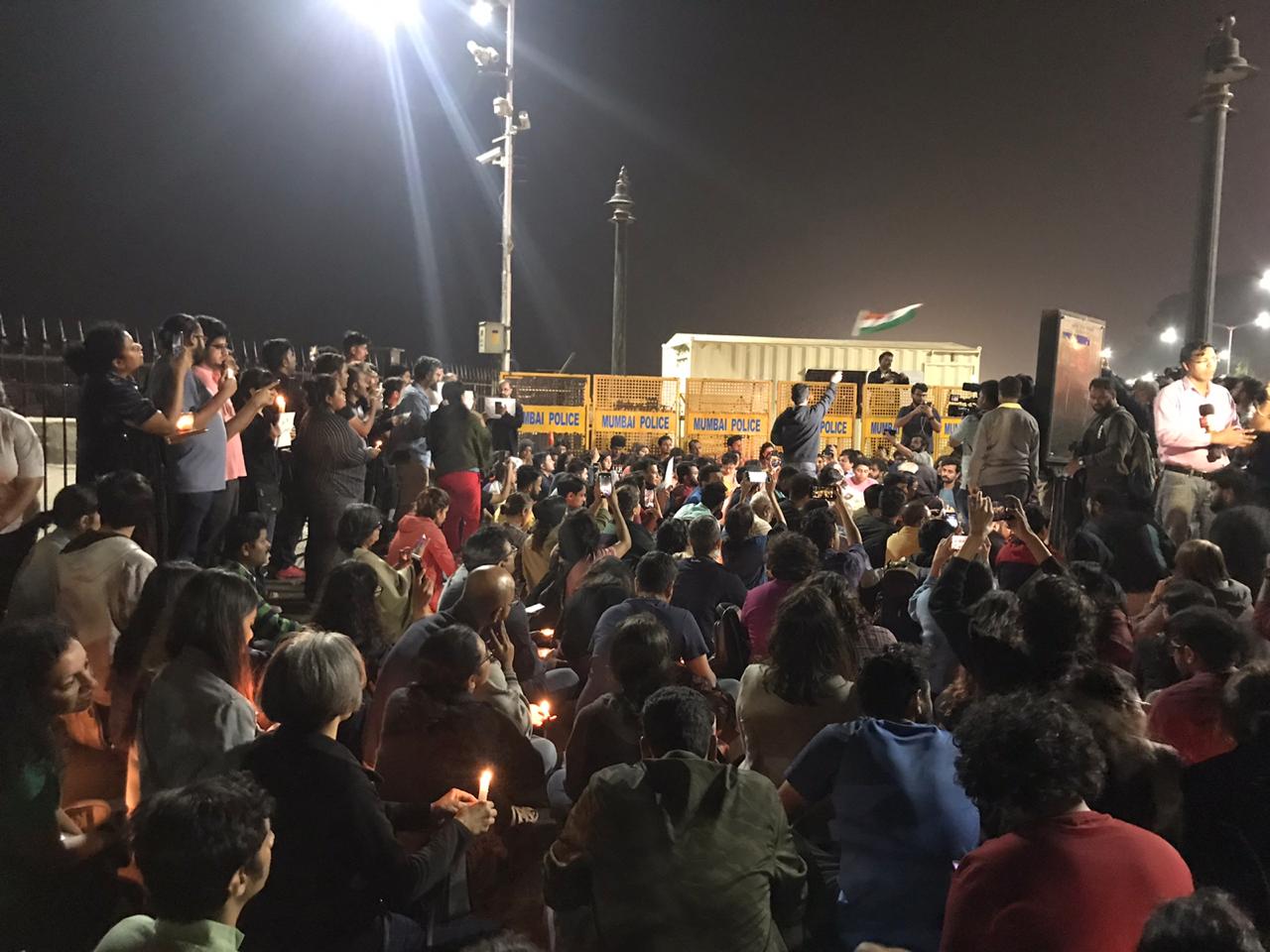 Students protesting at the Gateway of India on January 5, 2020 (Source: Students)
The MHRD through a tweet informed that the secretary held a “detailed discussion” with the teachers.
More protests
On January 6, the warden of the Sabarmati Hostel, which saw violence on Sunday, resigned from the office due to the hostel’s inability to provide security. “Yesterday there was an attack at Sabarmati Hostel… as we are unable to provide security to the students, on moral grounds, I am resigning from my post as a warden,” said the letter.
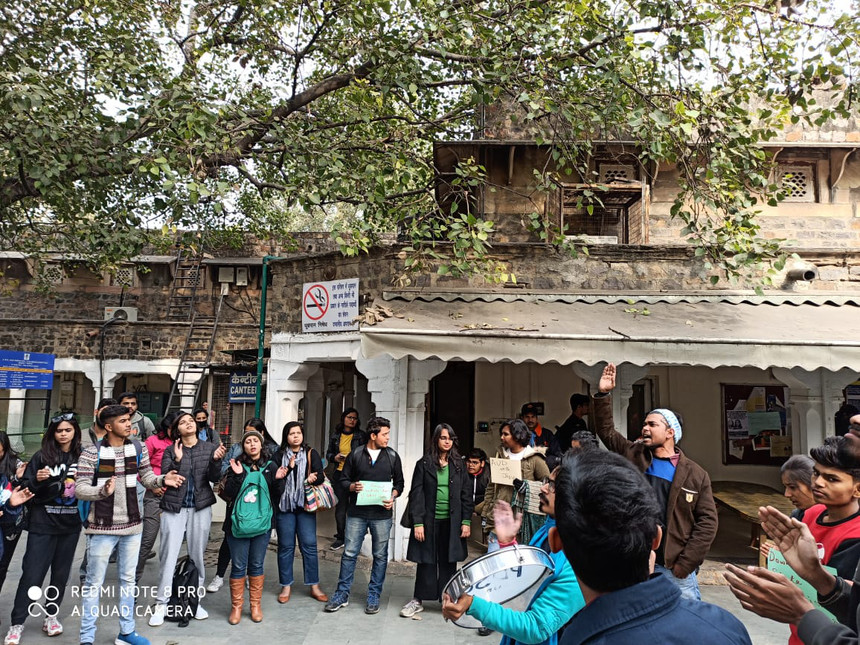 Students of Ambedkar University protesting against violent attacks on JNU students on January 6, 2020 (Source: Students)
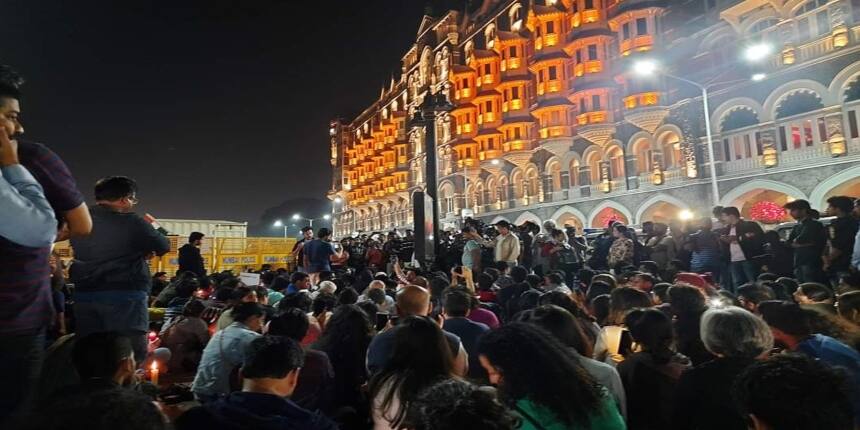
In the aftermath of the violence at JNU, several students and general public openly condemned the brutal attacks. Protests were organised at the Gateway of India in Mumbai late on Sunday night. On Monday, protests were held or being organised in Ahmedabad, Punjab, Delhi, Hyderabad, Ranchi, Chennai, Patiala, Jaipur, Bhopal and Bangalore. Indians in Toronto, Oxford and London also organised protests.
The Indian Medical Association (IMA) also released a statement condemning the attack on the nurses and doctors who were trying to help the injured.
Write to us at news@careers360.com
 Add as a preferred source on google
Follow us for the latest education news on colleges and universities, admission, courses, exams, research, education policies, study abroad and more..
To get in touch, write to us at news@careers360.com.
Latest Education News
]


