
'Regressive turn': JNUTA opposes 5% ward quota for JNU staff, flags governance concerns
Aatif Ammad | April 22, 2026 | 11:20 AM IST | 2 mins read
JNU Teachers Association rejects 5% supernumerary quota for staff wards, calls it regressive; raises issues over admission policy, promotions, recruitment practices and alleged irregularities in administration
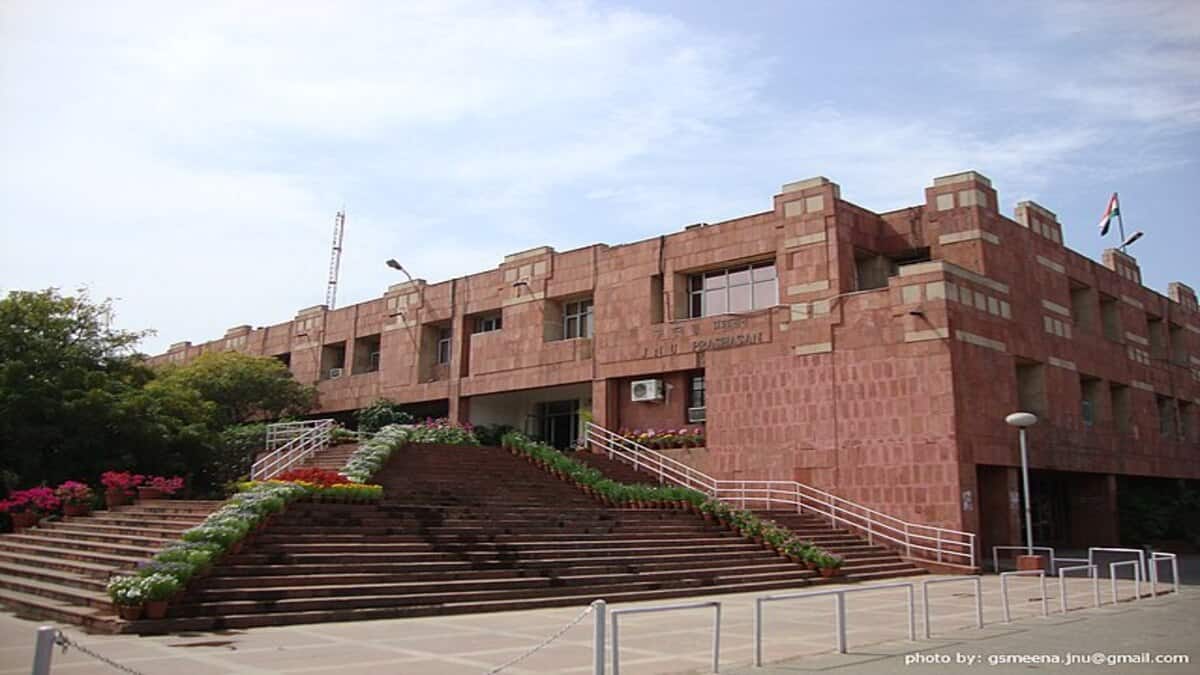
The Jawaharlal Nehru University Teachers’ Association (JNUTA) has opposed the proposed quota for wards of university employees, calling it a shift away from the institution’s long-standing commitment to inclusive and equitable admissions.
As per a statement issued after its General Body Meeting(GBM) on April 21, the association rejected the move to introduce a 5% supernumerary quota for children of JNU staff, including faculty, arguing that it weakens the university’s social justice-oriented admission framework.
JNUTA clarified that teachers had never sought such a provision and described the decision as unilateral. It warned that extending such benefits to relatively privileged groups could dilute opportunities meant for disadvantaged sections.
JNUTA: Prefer deprivation points over new quotas
The association highlighted that the existing system already provides supernumerary seats, five in undergraduate and three in postgraduate courses, for wards of non-teaching staff in lower service groups, which plays a critical role in improving access for marginalised communities.
JNUTA in the statement argued that instead of introducing new quotas, the university should focus on strengthening its deprivation points mechanism, including restoring it in PhD admissions.
It also pointed out that issues like declining gender balance could be better addressed through inclusive policies rather than measures such as the proposed quota or the 11% supernumerary seats for women students limited to the School of Engineering.
JNUTA: Key concerns
Some of the key concerns raised by JNUTA are;
- Lack of consultation with elected teacher representatives in decision-making bodies
- Questionable functioning of a committee that recommended the quota after limited deliberation
- Potential erosion of provisions meant for disadvantaged sections
- Need to prioritise inclusive admission policies over privilege-based measures
The association also flagged other administrative issues within the university. These included delays in promotions, disputes in recruitment processes, and the frequent declaration of candidates as “Not Found Suitable” in a large number of selection cases. It alleged that such practices undermine transparency and fairness.
JNU VC: Misconduct, hiring concerns
While criticizing the administration, JNUTA statement referred to findings against vice chancellor Santishree Dhulipudi Pandit, noting that she had been held guilty of “misconduct and moral turpitude” by a departmental inquiry panel. It further alleged that promotion processes had been handled in a selective manner, with a pattern of “pick and choose” decisions persisting despite recent progress.
The teachers’ body also raised concerns about alleged irregularities in the School of Engineering. It claimed that the daughter of the vice chancellor had been involved in academic activities such as coursework design and student guidance without going through a formal recruitment process. As per the JNUTA, this raises serious questions about institutional norms and fairness in appointments.
JNUTA also indicated that the issues raised would be taken up with higher authorities, including the ministry of education.
 Add as a preferred source on google
Follow us for the latest education news on colleges and universities, admission, courses, exams, research, education policies, study abroad and more..
To get in touch, write to us at news@careers360.com.
Next Story
]Latest Education News
]Related News
]JNUSU ends 17-day hunger strike after admin agrees to withdraw FIRs, revoke rustication of students
JNU Strike: JNUSU hits back at VC's remarks over hunger strike, alleges denial of medical care
JNU VC defends handling of hunger strike, cites talks and twice-daily medical care for students


