
Karnataka coaching centres may face 5-hour daily cap, no under-15 enrolment, Rs 5 lakh fine for violations
K. Nitika Shivani | October 29, 2026 | 01:48 PM IST | 4 mins read
Karnataka draft rules bar govt teachers from working at coaching centres; requires fees in 4 instalments, pro-rata refunds; those with over 20 students must register on Seva Sindhu portal
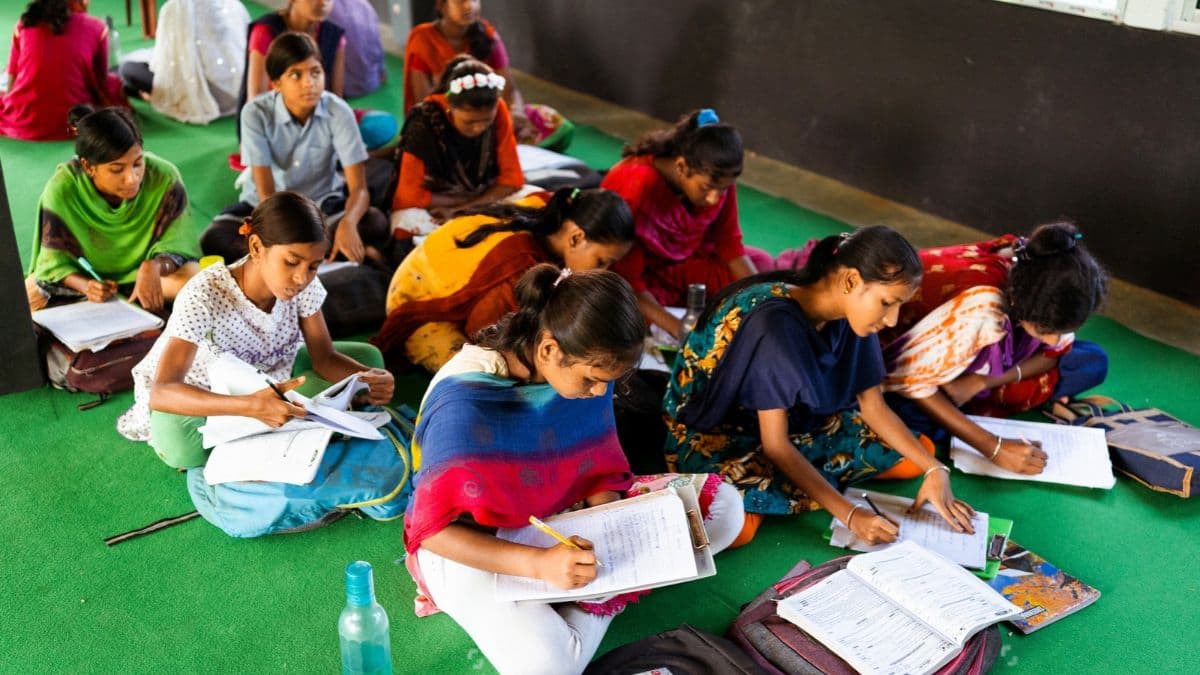
The Karnataka government has proposed sweeping curbs on coaching centres capping classes at five hours a day, barring enrollment of students below 15 years of age, and making registration mandatory for centres with more than 20 students, with penalties up to Rs 5 lakh for violation.
The Karnataka Tutorial Institutions or Coaching Centres (Registration and Regulation) Rules, 2026, published in the Karnataka Gazette on Wednesday, cover offline and online coaching providers, franchise centres and educational institutions offering paid coaching.
The draft follows cabinet concurrence on October 14 and proposes replacing the Karnataka Tutorial Institutions (Registration and Regulation) Rules, 2001. Issued under Sections 35 and 145 of the Karnataka Education Act, 1983, it is open for objections and suggestions for 15 days.
Karnataka Coaching Centres: 5-hour limit, minimum age
The draft restricts coaching, including tests, revision and doubt-clearing sessions, to five hours a day. Centres can only operate only between 6 am and 9 pm and cannot schedule classes during students' regular school or college hours. Coaching schedules must also account for school and college assessments.
Also read After AMU and Jamia, BHU students launch agitation for union polls, on hold for 3 decades
The proposed rules prohibit enrolling students below 15 years of age and state that enrolment should take place only after the secondary school examination. The Union education ministry's 2024 coaching centre guidelines, however, prescribe a minimum age of 16.
Also, centres cannot guarantee examination ranks, marks or admissions, publish misleading advertisements or force students to purchase study materials. They must also inform students and parents that joining a coaching centre does not guarantee success in competitive examinations.
Coaching Centre Guidelines: Mandatory registration
Coaching centres with more than 20 students must register through Karnataka's Seva Sindhu portal by paying a non-refundable fee of Rs 15,000 and an additional Rs 5,000 for each course. Each branch requires separate registration, while franchisors and franchisees will share responsibility for compliance.
The gazette says that registrations will remain valid for three years. District Deputy Commissioners must decide applications within 45 days, failing which they will be deemed approved until a final decision. It is noted that the premises must be inspected within 21 days of application as well.
Existing centres must apply within 90 days of the rules coming into force. Delays will attract a penalty of Rs 100 per day, while centres operating without registration after six months may be sealed.
Coaching Classes: Fees, refunds, mental health
Coaching centres cannot collect the entire course fee upfront and must offer parents at least four equal instalments. Students withdrawing midway must receive a pro-rata refund for the remaining course period within 10 days, including applicable hostel and mess fees.
Centres must publish their fees, tutor qualifications, course details, refund policies and student results on their websites, notice boards and prospectuses.
The draft makes mental health counselling systems mandatory and requires periodic awareness workshops for students and parents. Centres must provide counselling to students whose academic performance is declining and cannot publicly disclose internal assessment results.
Emergency contacts, including suicide prevention, women's and anti-ragging helplines, must be displayed. Institutions must also establish grievance committees to address complaints within 15 days.
Coaching staff, infrastructure and safety norms
Government and aided-institution teachers, lecturers, professors, principals and non-teaching staff cannot work at coaching centres. Tutors must hold at least a graduate qualification and relevant experience, while individuals convicted of offences involving moral turpitude cannot be employed.
It notes that the centre must provide at least one square metre of classroom space per student, separate toilets, adequate ventilation, drinking water, CCTV surveillance and fire, building and sanitation certificates. They must also maintain disaster management plans, conduct emergency drills and verify drivers and attendants where transport is provided.
The gazette notification mentions that institutions must maintain biometric student attendance records, upload them to the government portal and submit annual reports covering enrolment, fees, staffing, infrastructure and student performance.
Lastly, two monitoring committees, one for Bengaluru Urban and another for the rest of Karnataka, will oversee compliance, conduct inspections and resolve complaints within 30 days. The appellate authority can impose penalties of up to Rs 5 lakh or cancel registration after a hearing.
Objections and suggestions on the draft can be submitted to the Secretary, Department of Higher Education, Bengaluru, within 15 days of publication.
 Add as a preferred source on google
Follow us for the latest education news on colleges and universities, admission, courses, exams, research, education policies, study abroad and more..
To get in touch, write to us at news@careers360.com.
Next Story
]Why was Anbil Mahesh arrested? Tamil Nadu’s Rs 400-crore private school approvals case explained
Anbil Mahesh was not named in the original FIR, but collected money as ‘party fund’ for private school approvals, says prosecution; Tamil Nadu ex-school minister denies it; a look at the charges, the HC order and what happens next
K. Nitika ShivaniLatest Education News
]Related News
]Jawaharlal Nehru Fellowship applications open for Indian citizens; selected candidates get Rs 1 lakh monthly
Himachal CM Sukhu considers MBBS stipend hike, plans Hamirpur medical college expansion
Maharashtra MBBS interns demand Rs 30,000 monthly stipend, warn of strike from November 2


