
At 7 IITs, 1,495 reserved SC, ST, OBC faculty posts vacant; IIT Kharagpur alone has 710, reveals RTI data
Sheena Sachdeva | October 26, 2026 | 03:21 PM IST | 6 mins read
Over 90% SC, ST, OBC faculty posts at IIT Kharagpur vacant despite 2,798 applications, IIT Jodhpur filled just 74; IIT Roorkee vacancy at 50%; only IIT Ropar meets counsellor norms
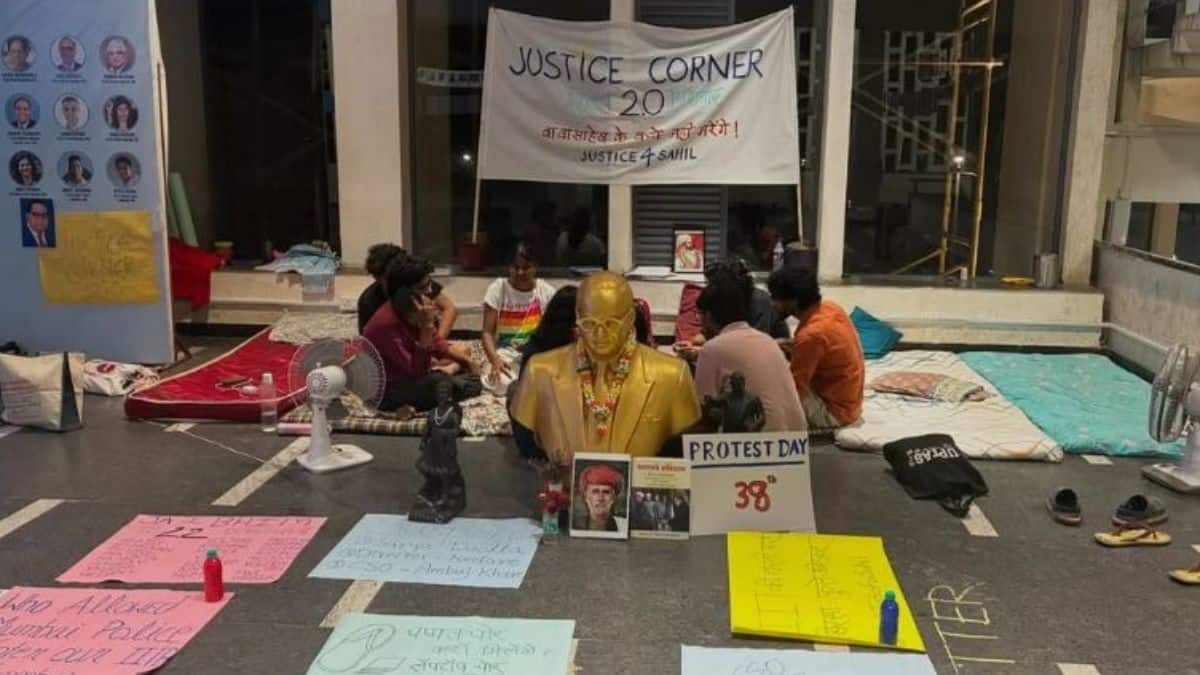
Indian Institute of Technology (IIT) Kharagpur has received 2,798 applications for faculty positions reserved for Scheduled Castes (SC), Scheduled Tribes (ST) and Other Backward Classes (OBC) since last year, but has managed to fill only 128 posts, leaving 710 vacant, responses to Right to Information (RTI) applications reveal. Across seven IITs, 1,495 such posts remain empty while counselling support and institutional mechanisms for addressing caste-based discrimination fall short.
The RTI applications were filed by Pranav Jeevan P, an alumnus of IIT Bombay, IIT Madras and IIT Kanpur. The RTI responses come from IIT Kharagpur, IIT Roorkee, IIT (BHU) Varanasi, IIT Jodhpur, IIT Patna, IIT Ropar and IIT Tirupati. The RTIs were filed in September and responses were received in mid-October.
Jeevan calculated the vacant faculty positions as per the reservation mandated for each category. “The RTI data provided category-wise current faculty numbers and total vacant sanctioned posts. Adding total current faculty and total vacant sanctioned posts gives the total sanctioned faculty strength. The indicative expected number of posts for each category was computed by applying the reservation percentages of OBC 27%, SC 15%, and ST 7.5% to the total sanctioned strength.”
The Supreme Court-appointed National Task Force's interim report has recommended that higher education institutions fill vacant faculty positions “within three months with priority given to posts reserved for candidates from marginalised and underrepresented communities”.
The report also recommends special recruitment drives for faculty positions covered by various forms of reservation under central and state government rules.
IIT Kharagpur, Roorkee, 5 others: Lack of SC, ST, OBC faculty
IIT Kharagpur reported the highest number of vacant reserved faculty positions among the seven institutes. The institute has 378 vacant OBC positions, 216 SC positions and 116 ST positions, taking the total to 710.
The table below gives details of all reserved category vacant positions–SC,ST and OBC– across seven IITs
Seven IITs: SC, ST, OBC faculty vacancies
IIT | Total Posts Reserved | Vacancies | % Vacant |
IIT Kharagpur | 778 | 710 | 91.26 |
IIT Roorkee | 465 | 236 | 50.75 |
IIT (BHU) | 301 | 201 | 66.78 |
IIT Jodhpur | 201 | 127 | 63.18 |
IIT Patna | 149 | 120 | 80.54 |
IIT Ropar | 114 | 64 | 56.14 |
IIT Tirupati | 79 | 37 | 46.84 |
Total positions and vacancies calculated by Jeevan from data shared by IITs
At IIT Roorkee, 236 faculty positions reserved for SC, ST and OBC candidates remain vacant out of 465 prescribed posts. IIT (BHU) Varanasi reported 201 vacancies in these categories.
IIT Jodhpur received 3,043 applications from SC, ST and OBC candidates since 2025 and filled only 74 positions. The institute reported 127 vacant reserved posts.
IIT Patna has 120 vacant SC, ST and OBC faculty positions out of 149 prescribed ones. At IIT Ropar, 64 SC and OBC positions are vacant out of 97 prescribed posts, while all prescribed ST faculty positions have been filled.
IIT Tirupati reported 37 vacant faculty positions reserved for SC, ST and OBC candidates out of 79 sanctioned posts.
IIT BHU, Patna, Jodhpur: Counselling support
The RTI responses also show differences in the availability of counselling and mental health support across the seven institutes, with student-to-counsellor ratios varying considerably.
IIT Kharagpur has 12 regular counsellors and one psychiatrist on contract for 14,764 students, the RTI response stated. The institute reported a budget of Rs 91 lakh for counselling support in the 2025-26 academic year. This amounts to a ratio of approximately one counsellor or psychiatrist for every 1,135 students.
IIT Roorkee has eight counselors for 10,536 students – a ratio of around one for every 1,317 students; IIT (BHU) Varanasi has two professional counsellors for 9,500 students – a ratio of one counsellor for every 4,750 students. IIT BHU has also stated in its response that one counsellor is from the OBC category and the other from the general category, with no SC or ST counsellors.
Further, IIT Patna has one OBC psychologist and one general-category counsellor for 3,899 students, amounting to approximately one professional for every 1,950 students.
IIT Jodhpur has five junior counsellors and one clinical psychologist under its Student Wellbeing Committee, which includes faculty and student representatives. The institute also has a visiting psychiatrist at its Primary Health Centre and provides round-the-clock online counselling through an external provider. With 4,014 students, its reported student-to-counsellor ratio is approximately 1:573, based on the six counsellors and clinical psychologists counted in the response.
IIT Ropar has six counselors and two visiting psychiatrists for 2,953 students. Counting all eight, the ratio is approximately one professional for every 369 students.
IIT Tirupati has one full-time clinical psychologist, a visiting counsellor who attends once a week and an additional clinical psychologist on contract. For its 1,700 students, the reported ratio is approximately one professional for every 567 students. The institute has allocated Rs 21 lakh to its Guidance and Counselling Unit this year.
In January 2026, the University Grants Commission issued draft guidelines on a Uniform Mental Health Policy for Higher Educational Institutions. The draft suggested that institutions could consider a ratio of one mental health professional or psychologist for every 500 students. But the data from the RTIs show that only IIT Ropar and Tirupati have achieved the prescribed ratio.
IITs Cells and Committees: Uneven implementation
The RTI responses also indicate differences in the institutional mechanisms available to address caste-based discrimination and support students from marginalised communities.
IIT Kharagpur's Internal Complaints Committee has eight members, all from the general category, according to the response. IIT Jodhpur has an inclusivity cell.
IIT Patna reported that it does not have an SC/ST cell for students. IIT Ropar has an SC/ST cell, while IIT Tirupati has both SC/ST and OBC cells.
The responses also provide details of complaints related to caste-based harassment. IIT Roorkee reported three complaints, including allegations of mental harassment, caste-based verbal abuse and misconduct, and caste-based profiling by a person identified as professor-incharge (PIC).
IIT Kharagpur reported 41 complaints since 2024. However, the RTI response provided details on the nature of only three complaints, which included sexist remarks between faculty members, student-to-student issues and inappropriate staff conduct towards students.
Student suicides reported across IITs
The RTI data also recorded student suicides at some of the institutes in the last five years. IIT Kharagpur reported 10 cases, followed by IIT Roorkee and IIT (BHU) Varanasi with three cases each. IIT Patna reported one case, while IIT Jodhpur and IIT Tirupati reported none. IIT Ropar's response was recorded as not available.
Also read ‘Didn't call police,’ IIT Bombay deputy director tells faculty members; prof questions response
The responses did not provide a consistent breakdown of these cases by caste category, limiting the conclusions that can be drawn about the experiences of students from marginalised communities.
Cumulatively, the RTI responses point to two areas requiring attention across the seven IITs: filling reserved faculty vacancies and ensuring adequate, accessible mental health support alongside effective institutional mechanisms to address discrimination, Jeevan stated.
 Add as a preferred source on google
Follow us for the latest education news on colleges and universities, admission, courses, exams, research, education policies, study abroad and more..
To get in touch, write to us at news@careers360.com.
Next Story
]Latest Education News
]Related News
]Kota: JEE aspirant dies by suicide in PG room; another student's death triggers allegations of negligence
Dr Kasturirangan Trust introduces fellowship for young researchers; Rs 4 lakh for each fellow
BITS Design School opens BDes applications for 2027; 210 seats available


