
NIT Rourkela develops low-cost ceramic adsorbent to remove industrial dye from wastewater
Sundararajan | June 16, 2026 | 09:47 PM IST | 2 mins read
Developed using fly ash, blast-furnace slag, and kaolin clay, the technology removes over 95% of Methylene Blue dye and costs Rs 25–50 per kg
Researchers at the National Institute of Technology (NIT) Rourkela have developed a low-cost ceramic adsorbent that can remove more than 95% of Methylene Blue dye from industrial wastewater. It offers a sustainable way to reduce water pollution caused by industrial waste.
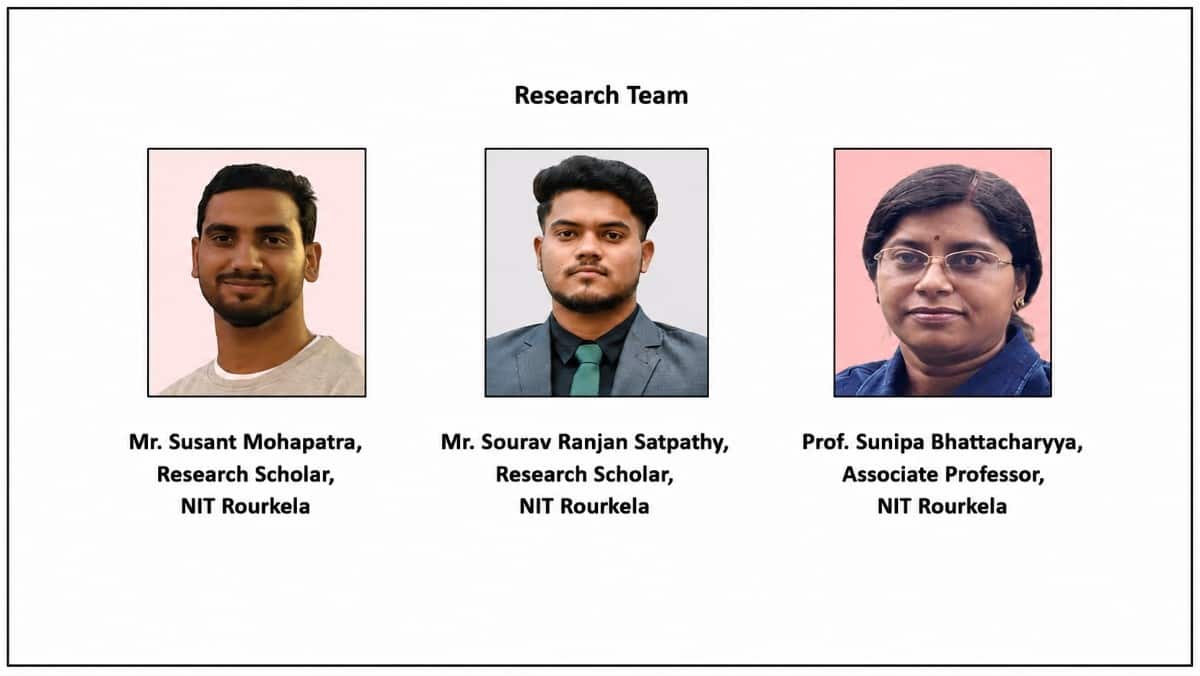
The research was carried out by Sunipa Bhattacharyya, Associate Professor in the Department of Ceramic Engineering, along with research scholars Susant Mohapatra and Sourav Ranjan Satpathy. The team used industrial waste materials like fly ash and ground granulated blast-furnace slag (GGBS), along with kaolin clay, to make the ceramic adsorbent.
According to NIT Rourkela, the material costs about Rs 25 to Rs 50 per kg, making it a cheaper option compared to traditional wastewater treatment methods, which are usually costly, use a lot of energy, and produce additional waste.
Also read IISER Bhopal discontinued BS-MS course over placement issues, offering BTech-MTech degrees: Director
Industries like textiles, dyeing, and printing produce large amounts of coloured chemical waste that can pollute rivers, lakes, and other water bodies. The researchers said these pollutants can harm aquatic life and may also affect human health.
NIT Rourkela develops wastewater treatment solution
Fly ash is produced when coal is burned in thermal power plants, while GGBS (ground granulated blast-furnace slag) is a by-product of iron and steel production. Both are generated in large amounts and can create problems in waste disposal and environmental management.
The NIT Rourkela team solved this problem by turning these industrial waste materials into a ceramic adsorbent that can remove Methylene Blue, a common dye found in industrial wastewater.
“A key part of our research is that we used raw kaolin clay instead of heat-treated metakaolin, which is usually used in geopolymer-based adsorbents. By avoiding this energy-heavy heating step, we made the process more sustainable and cost-effective,” said Sunipa Bhattacharyya, Associate Professor, Ceramic Engineering, NIT Rourkela.
Laboratory tests showed that the material can remove more than 95% of Methylene Blue dye from wastewater, the researchers said.
Also read NIT Rourkela launches 4 B.Tech, M.Tech programmes in AI, semi-conductors, computing
Published in Chemistry Select
The findings have been published in the journal Chemistry Select. The research supports the United Nations Sustainable Development Goals (SDGs), especially SDG 6 (Clean Water and Sanitation) and SDG 12 (Responsible Consumption and Production).
The researchers said the next stage of the project will focus on making porous adsorbents from waste materials and testing how well they remove different types of pollutants.
According to the institute, this technology can help industries use cheaper wastewater treatment methods and reduce environmental damage. The study also shows how waste from one industry can be reused by another, supporting a circular and sustainable use of resources.
 Add as a preferred source on google
Follow us for the latest education news on colleges and universities, admission, courses, exams, research, education policies, study abroad and more..
To get in touch, write to us at news@careers360.com.
Next Story
]Latest Education News
]Related News
]Delhi University welcomes Tamil Nadu students for 'Yuva Sangam' phase 7 initiative
Jamia teachers allege political interference in student union protest
HNLU Raipur invites research papers for online international symposium on ‘MSME Credit Access’ in December


