
For every 100 boys, only 59 girls in rural India complete Class 12: UNESCO Report
Team Careers360 | October 9, 2026 | 02:29 PM IST | 2 mins read
India’s overall gender parity index for upper secondary completion is 0.89. It is classified under ‘fast progress’ for having closed over 65% of the gap in the last two decades
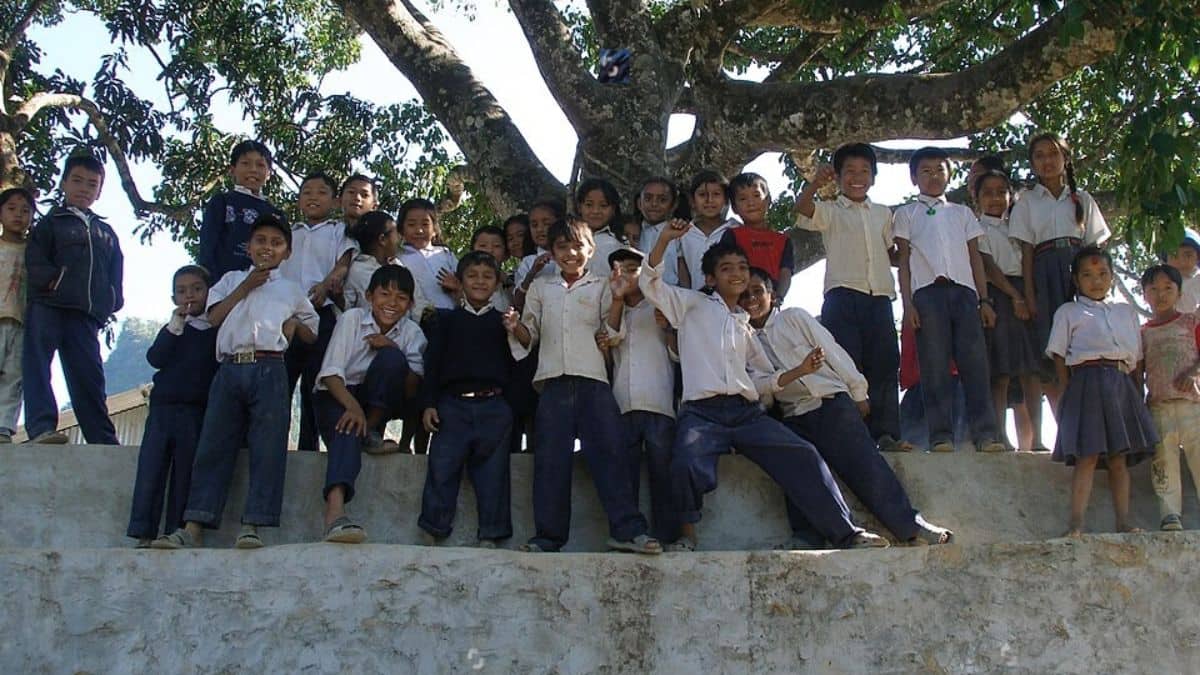
Only 59 girls in rural India complete upper secondary education for every 100 boys, while girls in urban areas have achieved parity with boys, according to UNESCO’s report, Gender Equity in Access to Education.
The findings are part of the 2026 Global Education Monitoring (GEM) Report. India’s overall gender parity index for upper secondary completion is 0.89, and in rural areas it is 0.59, the report says. A value of 1 means girls and boys finish at the same rate. In its general analysis, the report defines the completion rate as the share of those aged three to five years above the official graduation age who have reached the last grade of an education level.
This is despite India being classified under “fast progress” in the report, meaning it has closed more than 65% or two-thirds of the initial gap. The country was among the 47 with the largest gender disparity at the expense of girls in upper secondary completion in 2000.
India’s rural gap in context
Globally, 63% of girls and 60% of boys were completing upper secondary school in 2024, the report says. In Central and Southern Asia, the region that includes India, 60% of boys completed upper secondary education, compared with 57% of girls.
India is now placed in the “fast progress” category both for timely completion and for ultimate completion, which includes those who complete up to eight years late.
The report cautions that gender parity does not mean gender equity. It says a parity index can improve because girls’ participation rises faster than boys’, including when boys’ participation stagnates or reverses.
Also read Sociology at a Crossroads: Why the discipline must move beyond departments to reclaim relevance
Mid-day meals, toilets improve access
The report highlights several measures that have helped improve girls’ access to education in India. The impact of free school lunches on primary enrolment in disadvantaged rural communities was nearly twice as high for girls as for boys. Consistent meal support has also been associated with lower dropout rates, particularly among girls.
India’s national latrine construction initiative increased enrolment among adolescent girls, particularly in schools that provided separate toilets for girls. The report stresses that privacy and safety are important alongside access to sanitation facilities.
A randomised trial across 121 villages in Karnataka also found that local clubs helping girls develop life skills and social networks modestly improved secondary school completion. However, many girls continued to face the risk of early marriage.
 Add as a preferred source on google
Follow us for the latest education news on colleges and universities, admission, courses, exams, research, education policies, study abroad and more..
To get in touch, write to us at news@careers360.com.
Next Story
]Latest Education News
]Related News
]CBSE Date Sheet 2027 LIVE: Form filling for Class 10, 12 private students closes on Oct 23; exam dates soon
CBSE Class 12 West Asia special exam date sheet 2026 out; admit cards from October 12
Madhya Pradesh: CBI arrests Kendriya Vidyalaya principal, middleman for taking Rs 3 lakh bribe


