
UGC PhD/MPhil Regulation: Written test and interview marks to determine admissions
Apratim Chatterjee | May 28, 2018 | 05:05 PM IST | 2 mins read
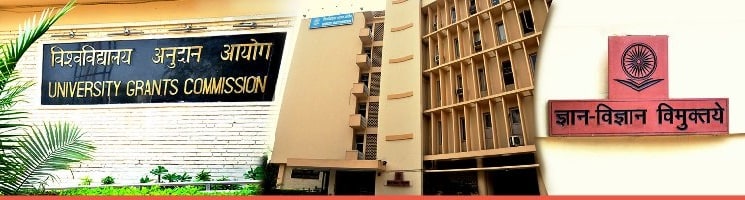
NEW DELHI, MAY 28: The University Grants Commission (UGC), rolling back the controversial selection rule for research students, has done away with the viva-voce interviews or oral interviews, as the sole criterion for PhD and M.Phil admissions, across the Universities.
The Indian Higher Education Regulator amending the UGC (Minimum Standards and Procedure for Award of M.Phil/PhD Degree) Regulations 2016 has changed the selection criterion by giving 70 per cent weightage to written test even as limiting the interview weightage to 30 per cent.
The UGC, earlier in the year 2016, had put a notification to assign 100 per cent weightage to interview. However, the move was highly criticised by the student organisations active across the Indian Universities. They also alleged that this move would only promote ‘casteist discrimination’ in the University campuses.
What more?
The Commission has also offered a relaxation of five percent in the minimum score to qualify written exam to the reserved category candidates. With this, while the General category candidates would need 50 per cent to qualify the exam for the interview round, those belonging to reserved categories including SC, ST and OBC need 45 per cent.
The 2009 notified UGC regulation had not prescribed any qualifying marks in the entrance test, leaving it up to the concerned University. However, it did prescribe the minimum eligibility marks with relaxation for SC and ST categories only.
The much criticised ‘UGC Regulation 2016’
The ‘newly’ introduced regulation of 2016 sparked widespread protests by the students, specifically SC, ST and OBC categories, across the Universities. They contended that allowing interviews as the sole criterion for PhD and MPhil admissions could abet discrimination.
Further, these rules also barred Universities from offering PhD Degrees in distance education modes. The UGC notification had also made entrance exams mandatory for admission and stipulated that aspirants would have to score at least 50 per cent in the written test to qualify for the interview, on the basis of which the final selection would be done. In other words, the rules while giving 100 per cent weightage to viva voce for admissions, made the entrance test ‘qualifying’ in nature.
In addition to this, according to the 2016 notification, there was a supervision cap imposed on the University professors. The professors could not supervise more than three M.Phil and eight PhD scholars at any one time. Similarly, the Associate Professors could supervise a maximum of two M.Phil and six PhD scholars, and an Assistant Professor not more than one M.Phil and four PhD scholars.
The cap remains unchanged as of now.
Student groups welcome the ‘transformed’ UGC Regulation
Jawaharlal Nehru University (JNU) probably saw the strongest student agitation on the UGC 2016 Research Admission Rules.
In a press release dated May 25, the JNU Students’ Union called the struggle with the Commission ‘a long and hard, describing the rollback a personal victory.
“The JNUSU congratulates the students for two years of uncompromising and tireless struggles in the face of adversity to achieve this substantial victory. It’s determined student struggle which nailed UGC’s anti-social justice designs and forced them to retract!” the release said.
 Add as a preferred source on google
Follow us for the latest education news on colleges and universities, admission, courses, exams, research, education policies, study abroad and more..
To get in touch, write to us at news@careers360.com.
Latest Education News
]


