
‘Weaken universities’: Bihar teachers on month-long protest against plan to bring colleges under govt control
Azib Ahmed | August 31, 2026 | 11:18 AM IST | 6 mins read
Teachers at Patna University, Patliputra University and beyond worry the change will rob academic institutions of autonomy, bring politics into syllabus and corruption into transfers
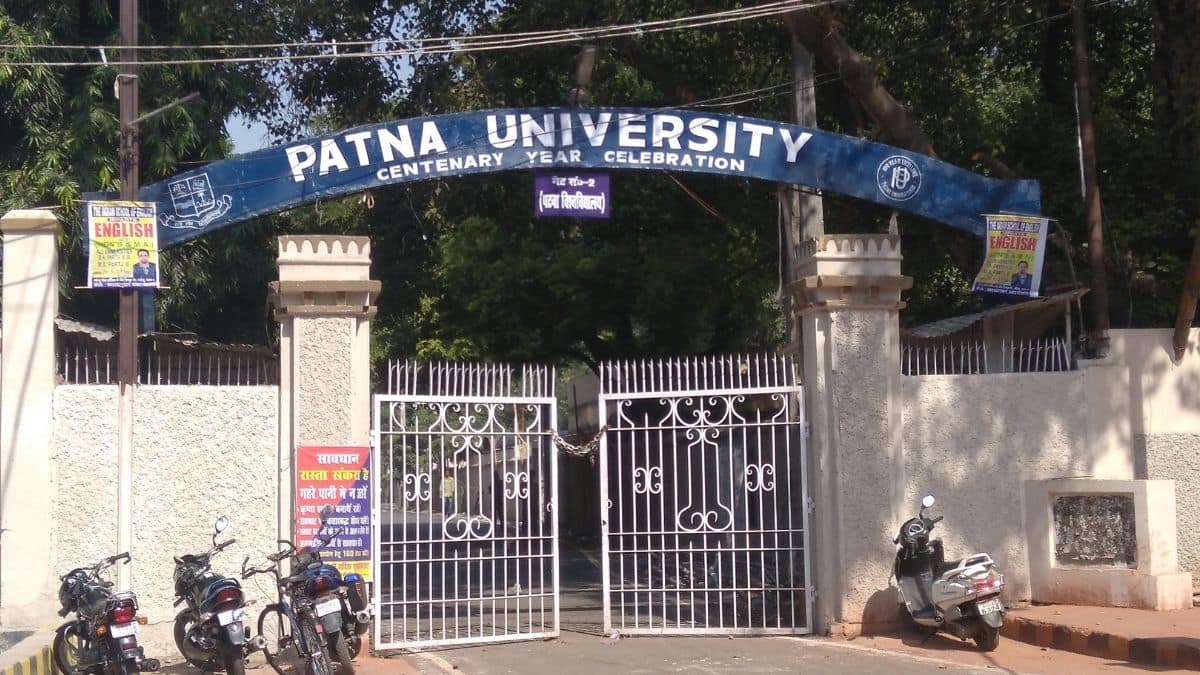
“Undergraduate colleges should remain within the university system. If the government takes control, it will decide everything, from the syllabus to promotions,” said Bimal Prasad Singh, head of the PG Department of Political Science at Patliputra University. His concern reflects the wider apprehension among teachers across Bihar that a proposed restructuring of higher education could give the state greater say in the academic and administrative functioning of universities.
Teachers across Bihar's state universities have been protesting for over a month against a new university law the state government is reportedly preparing that could bring undergraduate (UG) colleges under direct government control. Although no draft bill has been officially released, teachers' associations fear that the proposed changes could separate UG and postgraduate (PG) education, weaken universities’ control over curricula and teacher appointments, and increase bureaucratic interference in academic administration.
However, the proposed legislation has not yet been officially released in the public domain. Teachers said that much of what they know has come from an Indian Express report and their personal contacts within the government.
Changes proposed for Bihar universities
According to media reports, Bihar is drafting a new universities act that proposes placing all constituent colleges of universities under the control of the new higher education department.
The proposed restructuring also shifts several administrative powers from universities to the department, which would handle teachers’ matters and administrative decisions at both existing and new degree colleges.
The proposal reportedly seeks to merge the Patna University Act, 1976, and the Bihar State Universities Act, 1976.
The governor, who serves as the chancellor of state universities, would continue to oversee PG education.
Patna University teachers’ autonomy concerns
For teachers, the central concern is not merely administrative restructuring but the possible loss of universities’ authority over academic matters.
Shivsagar Prasad, president of the Patna University Teachers’ Association (PUTA), said, “Patna University used to prepare its syllabus and decide its curriculum. It decided how the courses should be completed and how academic matters should be managed.” He fears the proposed change could weaken that arrangement between colleges and the university.
He also raised concerns over teacher recruitment, transfers and promotions. According to Shivsagar Prasad, Patna University (PU) has its own system under the 1976 Act for managing these matters. “If the new law comes, teachers from other universities could be brought here,” he said, adding that there was a fear that people with political or bureaucratic connections could be appointed to teaching posts. He said this could significantly change the university’s existing system.
Similar concerns are shared by teachers at other universities.
Also read Removing deprivation points from admissions will change JNU’s character, make it elitist: Professor
Bihar: College teachers’ transfers
Teachers also fear that bringing UG colleges under direct government control could lead to government-style transfers and create scope for corruption and favouritism.
A professor at a constituent college of Patliputra University, who has been involved in the protests but wished to remain anonymous, said Bihar has around 250 constituent colleges, many of which already face teacher shortages, especially in rural and remote areas.
He said routine transfers under government control could also create opportunities for corruption, as teachers may be willing to pay to avoid postings away from their homes. “Many of them will say, take Rs 5-7 lakh, just stop my transfer,” he said.
Also read Bihar's move to replace 'fail' with 'eligible for skill development' draws criticism
The professor said the government should take action against officials accused of administrative or financial wrongdoing instead of bringing the entire system under its control. “If there is a problem with a vice chancellor, registrar or finance official, take action against that person. Why take the entire system under government control?” he said.
Bihar students oppose
Students protesting the reported proposal have also raised concerns over the proposed separation of undergraduate and postgraduate education. Hritik, a second-year MA Political Science student at Patna University and a student leader associated with the Disha Students’ Organisation, said, “According to the reported arrangement, PG courses would continue under the chancellor, while UG courses would come under the state government.”
He said placing the two levels of education under different authorities could create a division within the university and affect students’ education. He added that several students and student organisations are opposing the move.
Prioritise other reforms
While opposing the reported restructuring, teachers said they were not against reforming Bihar’s higher education system.
Arun Kumar Singh, dean of the Faculty of Social Sciences at Patliputra University, argued that the government should instead address corruption, administrative irregularities and problems surrounding the appointment and functioning of university officials.
He suggested strengthening existing bodies, such as the syndicate and senate, instead of giving powers to another authority. “If you want to reform, why don't you strengthen the syndicate's statutory provisions? The syndicate and senate should be given greater authority, and the vice-chancellor should not be able to take major decisions without the syndicate’s approval.”
Teachers have also questioned whether bringing more colleges under direct government control would necessarily improve their functioning.
Also read How Bihar Engineering University is powering through violence, floods, placement woes
The professor said the government should compare the functioning of existing government colleges with colleges operating under the university system before making a structural change.
“There are two government colleges in Bihar, both women’s colleges in Patna. You can see their performance and compare it with the university system,” he said, referring to Government Women’s College, Gardanibagh, and Rajkiya Mahila Mahavidyalaya, Gulzarbagh, which are run by the state government but are affiliated to Patliputra University.
He claimed that both colleges are in poor condition and that students do not prefer to study there.
Protests continue
The protests began in mid-July after reports emerged about the proposed replacement of the Bihar University Act, 1976. Teachers said the proposed legislation is currently on hold but could be introduced at any time.
At Patna University, the Patna University Teachers’ Association (PUTA) has been holding daily demonstrations. Shivsagar Prasad said the association was holding a dharna from 1:30 pm to 2 pm and would review the situation and decide on the next phase of its protest.
Teachers at other state universities have also held demonstrations, submitted memoranda to vice-chancellors and staged symbolic protests. While the scheduled phase of protests ended at some universities on August 25, teachers said they would meet and decide on further action.
The protests have been organised through various teachers’ associations, including the Federation of University Teachers’ Associations of Bihar (FUTAB).
With the proposed legislation yet to be officially released, teachers said the government should first clarify its plans and consult stakeholders before introducing any new law. “If the government wants to give a proposal, then it should call a meeting and put the matter before the stakeholders,” said Arun Kumar Singh.
For the protesting teachers, the issue is ultimately about who should control Bihar’s universities and colleges, and whether greater government involvement would strengthen higher education or reduce institutional autonomy.
 Add as a preferred source on google
Follow us for the latest education news on colleges and universities, admission, courses, exams, research, education policies, study abroad and more..
To get in touch, write to us at news@careers360.com.
Next Story
]‘Cover-up, conflict of interest’: Visva Bharati prof files RTI, VBUFA says facts buried in disciplinary cases
Visva Bharati faculty body questions why judge-led panel was swapped with one with university’s own payroll staff, demands unpaid salaries, deadline and closure of all pending cases
Pritha Roy ChoudhuryLatest Education News
]Related News
]CJP Protest: Delhi Police detain students, party leaders; IYC announces legal helpline
Chandigarh University launches ‘Campus Tank Season 2’, offers 15 million US dollars for student startups
Patna: JD Women’s College teachers oppose Mata Sita University affiliation, demand repeal of Bihar Act


