
Agharkar Research Institute scientists develops targeted breast cancer therapy with reduced side effects
Press Trust of India | June 5, 2026 | 03:04 PM IST | 1 min read
Biodegradable nanocarrier delivers cancer-fighting genetic material directly to tumour cells; study reports significant tumour suppression in preclinical models
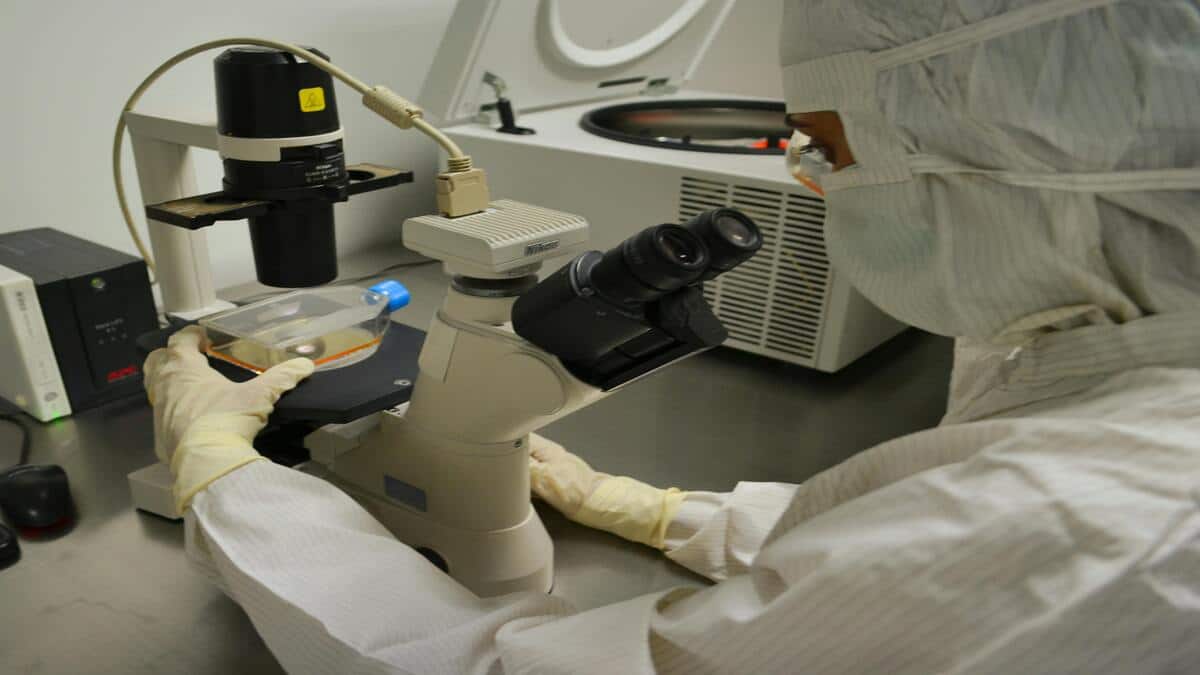
New Delhi: Scientists have developed a cancer cell-targeting strategy that they say can drive an effective tumour inhibition, while reducing off-target effects, a key limitation of conventional therapies. In a paper published in the journal Advanced Healthcare Materials, the team from Agharkar Research Institute (ARI), Pune, have described a biodegradable nanocarrier platform engineered for a targeted gene therapy in breast cancer.
They explained that the targeting system is built on biodegradable mesoporous silica nanoparticles, known for their high loading capacity and tunable surface chemistry, which enable an efficient delivery of small interfering RNA (siRNA) molecules -- they prevent the production of disease-causing proteins.
The siRNA molecules are delivered against two critical genes that promote tumour survival and a resistance to therapy. A controlled release of the therapeutic payload inside the tumour microenvironment ensures an efficient intracellular delivery and activity, the team said.
Also read ANRF PAIR Programme gives Rs 100 crore to just 7 hub-spoke networks, rest get Rs 2 crore grants
Agharkar Research Institute: Research findings
Experiments in breast cancer models demonstrated a robust gene knockdown, resulting in an increased cancer cell death and a substantial inhibition in tumour growth. In mice with a form of immunodeficiency, the nanocarrier was noted to accumulate effectively at tumour sites and exhibit minimal systemic toxicity.
The findings align with growing evidence that aptamer-guided nanocarriers -- a targeted drug delivery system using nanoparticles as vehicles -- can significantly improve tumour specificity and therapeutic efficacy, the researchers said.
"These results indicate that the biodegradable siMCL-1/siSur@MPPM nanocarrier provides a significant combination of targeted delivery, biodegradability, effective gene silencing, and reduced off-target effects, suggesting its potential as a promising nanomedicine for breast cancer treatment," the authors wrote.
 Add as a preferred source on google
Follow us for the latest education news on colleges and universities, admission, courses, exams, research, education policies, study abroad and more..
To get in touch, write to us at news@careers360.com.
Next Story
]'CBSE made to adopt OSM system at inflated rates': Congress alleges, demands Pradhan's resignation
Congress has accused the government of forcing CBSE to adopt an expensive On-Screen Marking system at inflated rates and demanded Education Minister Dharmendra Pradhan's resignation over the controversy
Press Trust of IndiaLatest Education News
]Related News
]PM Modi visits Sudha Gopalakrishnan Brain Centre on IIT Madras campus
IIIT Ranchi first-year BTech student dies by suicide, NHRC to probe alleged delay in medical treatment
SFI Mumbai condemns police ‘brutality’ against students, activists during anti-SIR protests, demands inquiry


