
Breast Cancer: IIT Madras study finds one in every four Indian patients carry inherited cancer risk
Aatif Ammad | March 2, 2026 | 02:52 PM IST | 2 mins read
Published in BMC Cancer, IIT Madras’ large-scale genomics study calls for a shift from BRCA-only testing to broader multi-gene screening

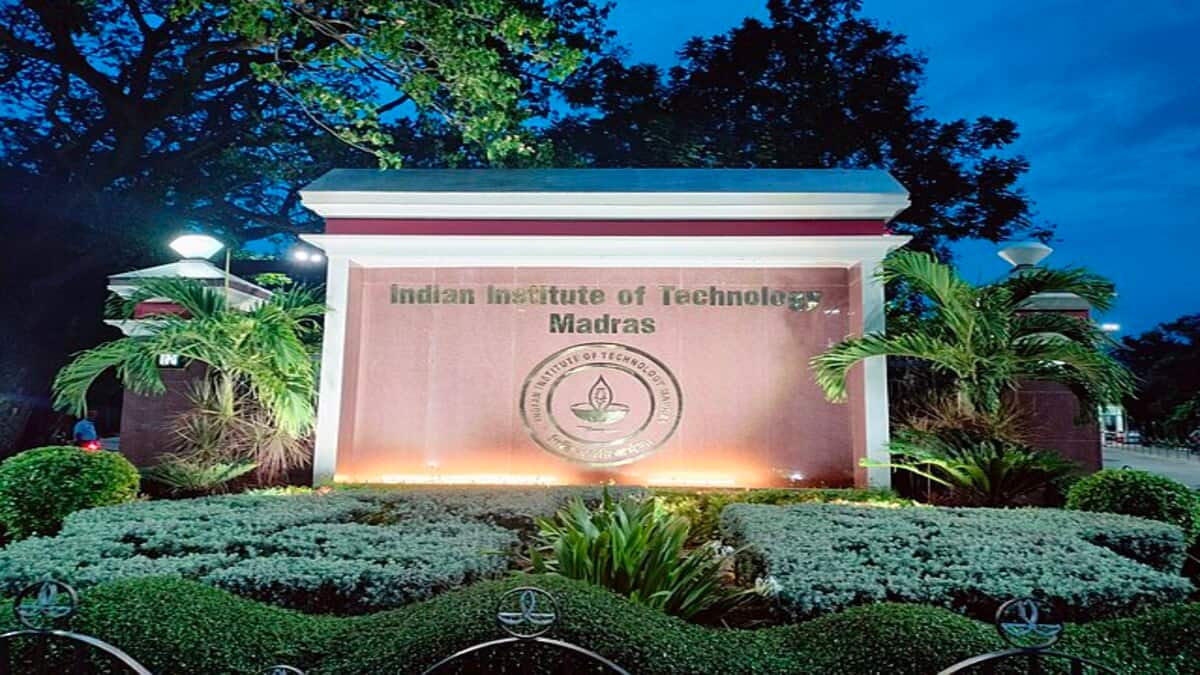
Cancer Research: The Indian Institute of Technology (IIT) Madras in collaboration with Karkinos Healthcare in a genomics study has found that nearly one in four Indian breast cancer patients carries an inherited genetic variant linked to cancer risk, with most occurring outside the well-known BReast CAncer gene (BRCA)1 and BRCA2 genes.
The research termed as one of the largest germline breast cancer studies undertaken in India by IIT Madras, analysed DNA samples from 479 unselected breast cancer patients sourced from the National Cancer Tissue Biobank at IIT Madras.
The study was carried out in partnership with Kumaran Hospital, Chennai, and Chennai Breast Centre, and has been published in the peer-reviewed oncology journal ‘BMC Cancer’. The dataset is now part of the Bharat Cancer Genome Atlas, India’s largest open-source cancer genome resource.
As per the findings, 24.6% of patients carried at least one pathogenic or likely pathogenic variant. While 8.35% had mutations in BRCA1 or BRCA2, a larger proportion, 11.9%, carried inherited variants in other genes involved in the homologous recombination repair pathway. Overall, 67% of all positive findings were in non-BRCA genes, including MLH1, NF1, TP53 and RB1, underscoring the limitations of BRCA-only testing approaches.
Also read IIT Delhi develops energy-efficient AC prototype that reduces power use by up to 33%
IIT Madras: Call for wider genetic testing
IIT Madras in the statement said that the findings underscore the urgent need to re-examine current genetic testing strategies in India, which continue to rely heavily on BRCA-only or hotspot-based testing. By providing a high-resolution genetic baseline for Indian breast cancer, the study lays critical groundwork for ancestry-aware precision oncology, family-based risk reduction strategies and improved chemotherapy safety.
The research team noted that expanding such studies nationally will be essential to developing genomic policies tailored to India’s unique population structure and disease burden
Lead author S Mahalingam of IIT Madras said the findings have “direct implications for clinical practice and national cancer guidelines,” making a strong case for broader multi-gene panel or exome-based germline testing in India. IIT Madras said in the official announcement that the researchers also emphasised the need for India- and South Asia-specific genetic databases to ensure accurate risk assessment.
Also read IIT Madras develops renewable energy roadmap for zero-emission truck charging parks
Beyond cancer predisposition, the study identified actionable variants in non-cancer genes in over 21% of patients, linked to conditions such as inherited cardiac disorders and metabolic diseases. Pharmacogenomic analysis further revealed clinically significant DPYD variants associated with chemotherapy toxicity, supporting the need for routine genetic screening before treatment.
The researchers concluded that ancestry-aware precision oncology and population-specific genomic policies are critical to improving cancer care outcomes in India.
 Add as a preferred source on google
Follow us for the latest education news on colleges and universities, admission, courses, exams, research, education policies, study abroad and more..
To get in touch, write to us at news@careers360.com.
Next Story
]Latest Education News
]Related News
]PM Modi visits Sudha Gopalakrishnan Brain Centre on IIT Madras campus
Jamia School, IIT Madras collaborate to launch online certificate courses for Classes 9 to 12
IIT Madras study reveals air pollution could help improve rainfall, urban floods forecasting


