
Fees to social media-use: What NCAHP’s first ethics code for allied, healthcare professionals says
Musab Qazi | April 29, 2026 | 07:35 PM IST | 5 mins read
NCAHP draft mandates allied health professionals to disclose fees upfront, gives them rights to refuse non-paying patients; bans endorsements, buying social media followers
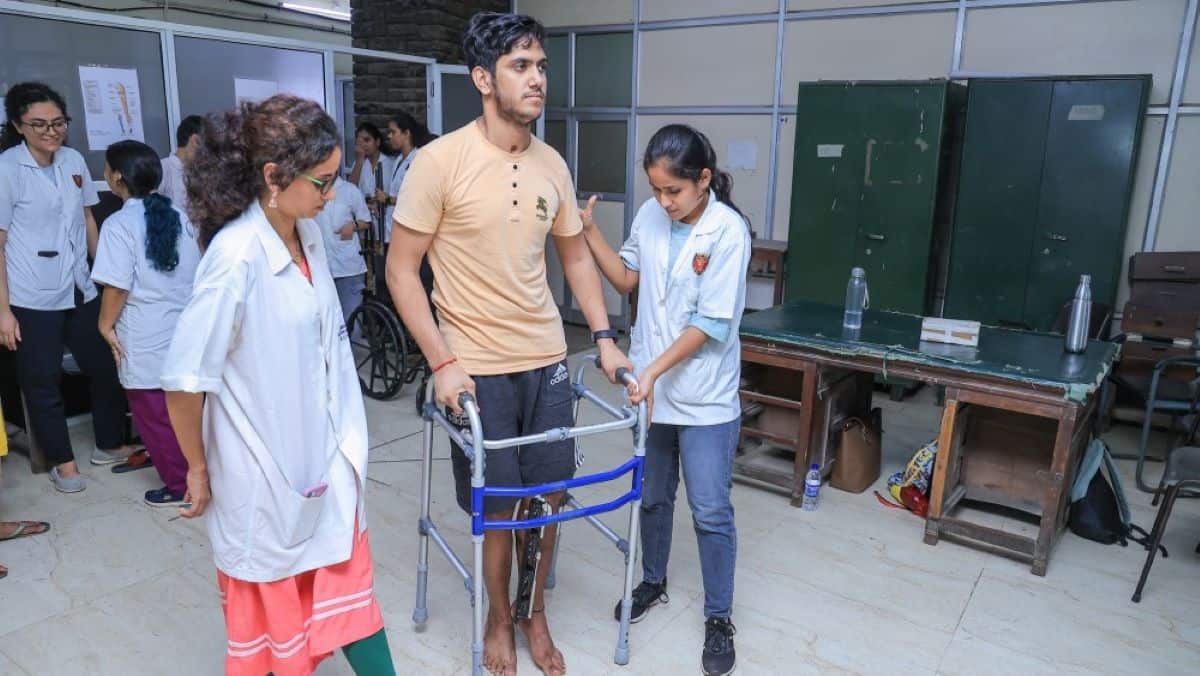
Patients aggrieved by allied and healthcare professionals (AHP) or paramedics, including physiotherapists, occupational therapists, optometrists and nutritionists, could soon be able to petition the state councils as well as the national regulator for these professions.
In a new draft code of conduct and ethics guidelines for AHPs, the National Commission for Allied and Healthcare Professions (NCAHP), the apex regulator, has proposed a detailed grievance redressal and appellate mechanism for complaints related to professional misconduct by the registered allied and healthcare professionals (RAHP) around the country, including those practitioners who have registered only provisionally.
The draft Registered Allied and Healthcare Professionals (Professional Conduct & Ethics) Regulations, 2026, released for public feedback, also bars RAHPs from soliciting patients “directly or indirectly”, either individually or as a part of an association or healthcare institution.
The document also suggests prohibiting AHPs from endorsing any company, therapeutic product or software as well as seeking any commission for referring a patient for diagnostic or further treatment. It also seeks to proscribe payments for boosting the professionals’ social media accounts.
Also read NMC junks 150-seat MBBS cap, population rule; sets 10 km limit for medical college-hospital distance
NCAHP draft regulations for AHPs
The proposed regulations, however, do allow these professionals to advertise their services in certain circumstances, such as while starting their practice or making any changes to it. It also suggests permitting AHPs to refuse treatment to those who don’t pay the indicated fees, though it recommends that such patients be referred to the organisations offering subsidised or free of cost care.
The draft guidelines are the latest in the series of regulations being introduced by NCAHP, which was set up in 2021 to standardise the education and professional practices across 10 broad allied health science disciplines. Until recently, these disciplines were largely unregulated, though some of these professions are being governed by state-level councils and associations.
The commission, which began functioning in 2024, has so far spearheaded the creation of state-level councils across most of the states and union territories. The regulator has also released common curricula and admission criteria for around 17 allied and healthcare courses. The regulations for registering AHPs and setting up various autonomous bodies under NCHAP are at the consultation level.
The proposed ethics consultations come more than two years after the National Medical Commission (NMC) issued a new ethics framework for registered physicians. However, it was put on hold within months, owing to an opposition from doctors’ and pharmaceutical associations, which expressed concerns about the provisions mandating prescription of generic drugs and prohibition on doctors attending seminars and conferences sponsored by pharma companies.
The regulations, which had sought to replace the erstwhile Medical Council of India’s (MCI) 2022 code of conduct, also lacked an explicit provision for patients to approach NMC with their complaints against the state medical councils’ decisions. The registered medical professionals, though, can appeal against an adversarial decision by the state medical councils.
NCAHP vs NMC: Filing of grievances
Unlike the NMC regulations, now put in abeyance, NCAHP clearly mentions that the persons aggrieved by the state councils’ decisions have a “right” to file an appeal to the commission. These appeals will be heard and decided by the apex body according to the NCAHP Act, rules, regulations and the procedure adopted by the commission, reads the draft regulations.
The complainants could file their initial grievance with either the state council or the commission, which in turn would send the complaints to the respective councils. The RAHP accused of wrongdoing will have to submit their replies within 15 days of receiving the complaint. The commission may censure or penalise the errant RAHP, or recommend them for counselling.
The proposed NCAHP regulations, however, draws heavily from the 2002 as well as the 2023 physicians’ ethics code, including in proscribing solicitation of patients through any means. The limited permit for advertising services by individuals and organisations in the draft regulations also mirrors similar provisions in the MCI and NMC regulations.
However, while the NMC’s 2023 notification explicitly laid down that these advertisements shouldn’t contain anything other than the name of the institution, types of patients treated or admitted, kind of doctors and staff training and other facilities offered and the fees, no such guideline is available in the NCAHP document.
Also read Allied health sciences, paramedical courses plagued by fake ‘councils’ running across states
NCAHP Draft Code: Paramedics’ fees, social media use
Much like the registered physicians’ code, the proposed ethics guidelines for AHPs prescribe that the professional fees will be made known to patients before the consultation and that the AHPs have a right to refuse the non-paying patients.
The draft, however, adds, “…the professional shall take reasonable steps to safeguard continuity of care, including making an appropriate and timely referral to an organisation or facility where care may be sought at subsidised rates or free of charge, and shall document such referral in the patient record.”
The language prohibiting commission or splitting of fees is also similar to the one provided in the doctors’ code of conduct. While the draft regulations seek to prevent AHPs from endorsing any products, there are no clear guidelines about their participation in sponsored events.
The draft also includes a section on AHPs’ use of social media. While allowing them to provide information and announcements of social media, NCAHP emphasised that the information should be evidence-based and verifiable.
The AHPs are barred from discussing the treatment of their patients or posting patients’ photographs, scanned images and case reports. They have also been dissuaded from “purchasing” likes and “followers” and paying money so that search algorithms lead to their name being listed at the top.
 Add as a preferred source on google
Follow us for the latest education news on colleges and universities, admission, courses, exams, research, education policies, study abroad and more..
To get in touch, write to us at news@careers360.com.
Next Story
]Latest Education News
]Related News
]Nobel Peace Prize 2026: Indian-origin Navi Pillay honoured for work on peace, international law
Anne Carson wins Nobel Prize in Literature 2026 for ‘her bold, inventive oeuvre’
NMC tightens medical advertising norms; bans AI-generated testimonials, unverified claims


