
IMI rolls out practice-led PGDM curriculum with seven specialised pathways
Sundararajan | May 28, 2026 | 10:32 PM IST | 3 mins read
AI fluency, ESG literacy, communication clinics and industry-led labs to be introduced across Delhi, Bhubaneswar and Kolkata campuses from July 2026
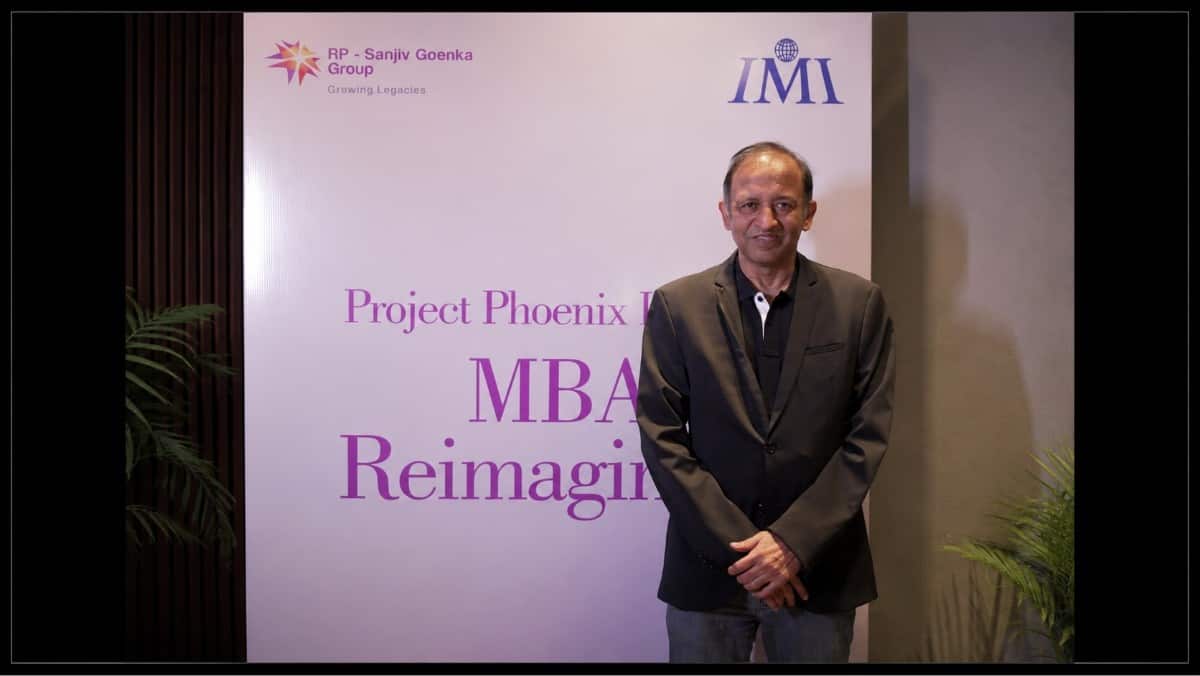
The International Management Institute (IMI) has updated its Post Graduate Diploma in Management (PGDM) programme. From the 2026–28 batch, it will offer seven specialised career tracks and a common “One IMI” curriculum across its Delhi, Bhubaneswar, and Kolkata campuses.
The new curriculum will start from July 2026. IMI said it has been developed with help from a global management consulting firm, industry leaders, academic experts, and professionals from the field.
According to IMI, the updated programme is designed to match current industry needs and global job trends. It will focus more on practical skills, real industry experience, and preparing students for jobs.
IMI launches 7 career tracks, AI focus
As part of the changes, the institute has added seven combined career tracks that include multiple subjects.
- Consulting and Strategy
- Market Expansion and Growth
- Finance and Capital Markets
- Product Management
- People and Organisation
- Analytics
- Operations and Supply Chain
The institute said that Artificial Intelligence (AI) skills and knowledge of Environmental, Social and Governance (ESG) topics have been included in all subjects. This is because technology and sustainability are becoming more important in business decisions.
“The transition also introduces IMI’s new ‘One IMI’ theme, which brings all three campuses together under a common curriculum system with the same teaching methods, exams, learning goals, and programme standards,” the statement said.
Also read IISc launches Wadhwani Innovation Centre to boost quantum, deep-tech startups
IMI PGDM Revamp: Industry, AI focus
The updated PGDM programme will include block weeks, communication clinics, core course labs, and continuous assessments instead of regular end-term exams in many subjects.
IMI said students will start working on real industry projects and business problems from the first term. These will replace traditional classroom case studies with hands-on problem-solving activities.
Suresh Ramanathan, CEO of IMI, said that management education needs to change quickly to keep up with changes in the industry.
“Management education should not just follow industry changes after they happen. It should predict them and help shape them,” Ramanathan said.
“By designing the programme around career-focused paths and industry-based learning, we aim to make sure graduates are ready for jobs with not just theory, but also the ability to make decisions, adapt, and perform well from the very first day,” he added.
Ramanathan also asked students to stay curious and think critically while using AI tools.
“In today’s world, AI can generate answers, but success is not just about using AI. It is about asking better and deeper questions,” he said.
Also read PM-SETU stumbles on first step as MSDE scheme to upgrade ITIs struggles to find industry partners
IMI revamps PGDM, focuses on AI, skills
The institute said the new curriculum shows a bigger change in management education, focusing more on practical job skills, long-term career preparation, and industry needs.
IMI alumna Arshiya Singh, Director – Global Compensation at Boston Consulting Group, said that people who use AI tools well will likely have an advantage at work.
“I don’t think AI will take your job. But someone who uses AI better than you might take your place,” Singh said.
“Even with technology and AI, there will actually be more job roles than before. But those roles may be different, and the expectations for current jobs may also change,” she added.
 Add as a preferred source on google
Follow us for the latest education news on colleges and universities, admission, courses, exams, research, education policies, study abroad and more..
To get in touch, write to us at news@careers360.com.
Next Story
]Jadavpur University pro-VC: Faculty, new curriculum keep its BTech ‘globally relevant’ despite fund crunch
With highly qualified faculty and revamped BTech courses, Jadavpur University Kolkata eyes better placements; AI labs, innovation clubs and a research park in the pipeline hint at stronger industry push
Pritha Roy ChoudhuryLatest Education News
]Related News
]Allahabad HC questions UP government over SC quota in four medical colleges
DU proposes new hostels, redevelopment projects to accommodate over 30,000 students
Delhi University EC to discuss Rs 8,000-crore hostel plan for over 30,000 students


