
NCTE: Supreme Court makes annual appraisal reports must for teacher training institutes; overturns HC order
Shradha Chettri | September 4, 2026 | 11:42 AM IST | 3 mins read
Regulatory powers like PAR ‘incidental and ancillary’ to NCTE mandate, says SC; junks colleges’ claim that only council – not its executive committee – could issue notice
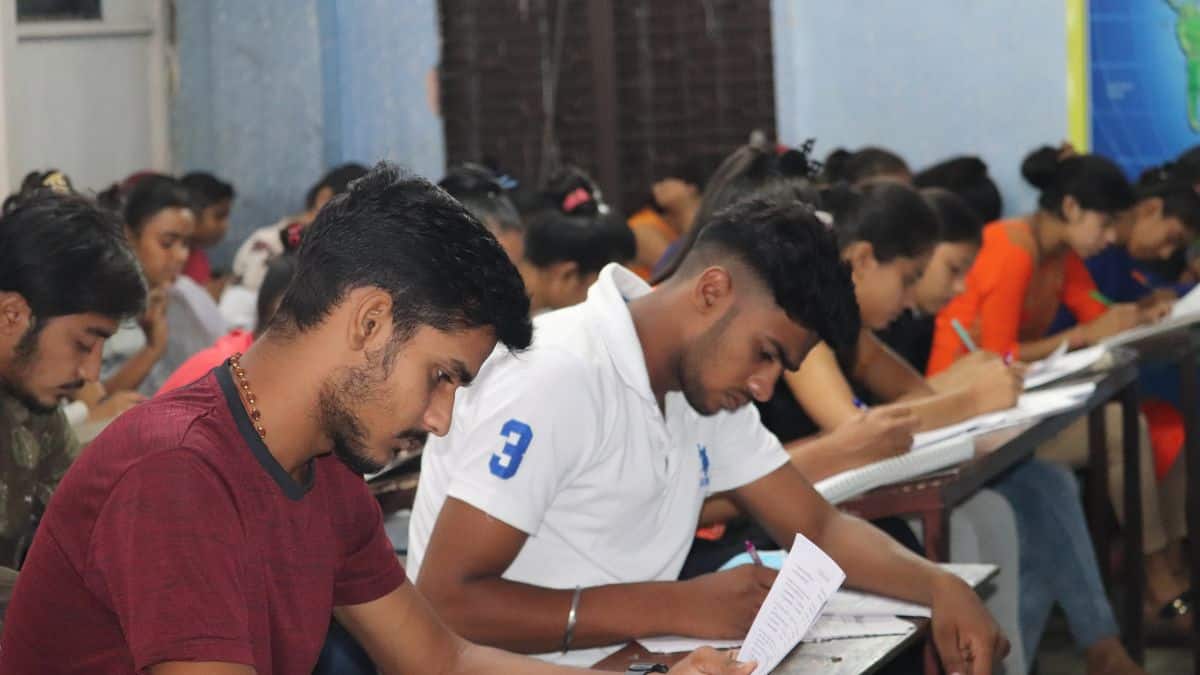
Teacher Educational institutions (TEIs) across the country will now have to compulsorily file their Performance Appraisal Report (PAR) to the National Council for Teacher Education (NCTE) every year after the Supreme Court on September 3 set aside a High Court ruling that had exempted them from the requirement.
The SC observed, “We fail to understand as to how a regulatory measure of a statutory body, empowered to achieve planned and coordinated development of the teacher education system in the country, could be restrained from calling upon the TEIs to file PAR”.
NCTE chairman Pankaj Arora called the judgement a “landmark victory”.
“This landmark judgment reaffirms NCTE’s statutory mandate and regulatory authority, strengthening our resolve to clean up substandard teacher education institutions and uphold quality and integrity in teacher education,” said Arora.
NCTE Notice: Colleges had raised objection
The Association of NCTE Approved Colleges Trust and other organisations had challenged the NCTE notice issued on September 22, 2019, which insisted on submission of a PAR annually along with the annual statement of accounts audited by a chartered accountant.
The central and state government institutions were required to pay Rs 5,000 per institution, regardless of the number of courses being run. All other categories of institutions had to pay Rs 15,000.
Failure to comply with invited action under the NCTE Act. In 2025 alone, NCTE derecognised over 2,500 TEIs for non-submission of PAR.
The institutions challenged the public notice on the ground that the “council alone could have issued and implemented a notice of this nature”. It has also been contended that there existed no empowerment of the executive committee to issue such a notice.
The petition was dismissed by a single judge bench but the division bench of the High Court ruled in favour of the colleges stating the notice was “unsustainable”.
NCTE: Why was PAR brought in?
The Council in its 46th meeting held on March 28, 2017, approved the annual renewal of recognition of teacher education institutions recognised by NCTE. Before the decision could be implemented, a large number of TEIs filed court cases across the country in various high courts.
“A study of the various petitions filed in courts revealed that a regime of annual renewal of recognition would not be feasible. Accordingly, it is proposed to insist PAR at this stage to put in place a system of Managing Information System (MIS),” the minutes of the NCTE meeting stated.
There purpose of PAR was two fold :
- Examine and review periodically the implementation of the norms, guidelines and standards laid down by the council, and to suitably advise the recognised institutions.
- Evolve a suitable performance appraisal system, norms and mechanism for enforcing accountability on recognised institutions.
‘PAR essential to ensure accountability’
The Supreme Court said they were of the opinion that there is ample empowerment of the council as well as the executive committee to call for annual PAR.
“We are of the opinion that even without a specific empowerment under the statute, such a regulatory measure can always be incidental and ancillary to the duties and functions of a regulator. As there is a performance audit of NCTE itself by the Comptroller and Auditor General of India (CAG), it is but natural and incidental that NCTE would require the stakeholders, over which it exercises the regulatory jurisdiction, to provide the necessary PAR,” it said.
The court also said that it is “necessary for the council and its bodies to ensure accountability of educational institutions. Accountability in itself is an essential principle of administrative law.
It added, “Judicial review of administrative action undertaken by the council will only be effective and meaningful if accountability of Teacher Education Institutes is ensured by it.”
The court also gave a judgement on the fees being charged and said the payment is really in the nature of the process fee. “… which is again an incidental and ancillary power that the regulator must have,” it added.
There are about 16,000 TEIs recognised by NCTE.
 Add as a preferred source on google
Follow us for the latest education news on colleges and universities, admission, courses, exams, research, education policies, study abroad and more..
To get in touch, write to us at news@careers360.com.
Next Story
]Latest Education News
]Related News
]Madhya Pradesh government releases Rs 502 crore as RTE fee reimbursement to 20,456 private schools
Nobel Peace Prize 2026: Indian-origin Navi Pillay honoured for work on peace, international law
Anne Carson wins Nobel Prize in Literature 2026 for ‘her bold, inventive oeuvre’


