
Over 1,000 KGBVs without functioning ICT labs; over 400 KVs are short of computers: Education ministry data
Azib Ahmed | July 20, 2026 | 06:29 PM IST | 3 mins read
While Kendriya Vidyalayas average 1 computer for 15 students nationally, hundreds of individual schools struggle. At Kasturba schools, sanctioned ICT labs are non-functional
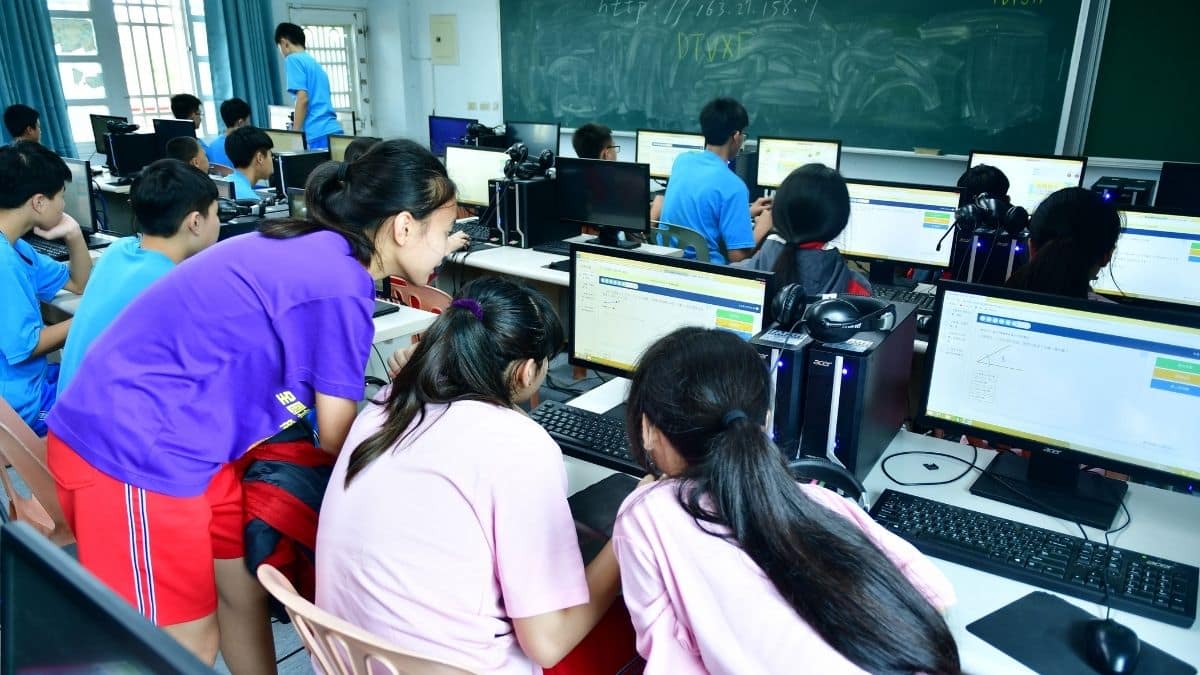
More than 1,000 information and communication technology (ICT) laboratories approved for Kasturba Gandhi Balika Vidyalayas (KGBV) across India are yet to become operational, while hundreds of Kendriya Vidyalayas (KVs) continue to fall short of the prescribed student-computer ratio, according to replies to questions raised in the Lok Sabha on Monday, highlighting persistent gaps in digital infrastructure even in top government school systems, despite central funding and policy support.
The ministry of education informed parliament that of the 4,205 ICT laboratories sanctioned for KGBVs nationwide, only 3,143 are functional, leaving 1,062 approved ICT labs non-functional. The ministry also said that only 3,088 of the 4,381 sanctioned smart classrooms are operational.
Data shared in a separate reply on digital infrastructure in centrally-run schools shows that 402 Kendriya Vidyalayas across the country are operating below the prescribed norm of one computer for every 18 students.
The figures indicate that hundreds of individual schools continue to face shortages in access to computers.
The ministry said, “Education is in the concurrent list of the constitution and KGBVs are under administrative control of respective state governments and Union Territory administrations.”
While the centre provides assistance under Samagra Shiksha Abhiyan, matters relating to the operationalisation and functioning of KGBVs fall under the purview of the concerned state and UT governments
KGBV: Non-operational ICT labs
he KGBV figures come nearly two years after the National Council of Educational Research and Training (NCERT) completed an evaluation of KGBVs during 2022-23 and recommended training, ICT facilities and the upgradation of KGBVs
According to the ministry's data , several states continue to report no functional ICT laboratories despite having received approvals.
Rajasthan has 282 sanctioned ICT laboratories, Karnataka 95, Chhattisgarh 121, Jammu and Kashmir 89, and Maharashtra three, yet none of these laboratories are operational.
The situation is similar for smart classrooms. Rajasthan reported 430 sanctioned smart classrooms but none functional. Chhattisgarh, Karnataka, Tamil Nadu, Maharashtra and Odisha also reported no operational smart classrooms despite approvals.
For Andhra Pradesh, the ministry said all 497 approved ICT laboratories and 497 smart classrooms are functional.
Responding to the evaluation, the centre said it has undertaken measures including upgrading KGBVs up to Class 12, constructing additional dormitories, toilets and boundary walls, and providing furniture, libraries, sports facilities and learning materials. It added that ICT laboratories and smart classrooms have been approved for all functional KGBVs under Samagra Shiksha norms to "empower girl students, make them digital savvy and enhance their learning outcomes,” the ministry stated.
KVs operating below prescribed norms
As per the education ministry response in parliament, Kendriya Vidyalaya Sangathan schools and Jawahar Navodaya Vidyalayas have a student-to-computer ratio of 15:1 and 10.8:1, respectively. While the national average is well within the required levels, there are over 400 individual schools that fall below.
Rajasthan and Uttar Pradesh reported the highest number of affected schools, with 42 Kendriya Vidyalayas each falling below the benchmark. They were followed by Madhya Pradesh (34), Delhi (33), Odisha (27), Bihar (24) and West Bengal (18).
Other states with a substantial number of KVs below the prescribed norm include Jharkhand (15), Tamil Nadu (15), Assam (14), Maharashtra (14), Andhra Pradesh (13), Karnataka (13) and Uttarakhand (12).
Among Jawahar Navodaya Vidyalayas, Uttar Pradesh also recorded the highest number of schools below the norm, with 10 JNVs, followed by Gujarat and West Bengal (four each) and Bihar, Madhya Pradesh and Manipur (three each).
Monday was the first day of the monsoon session of parliament 2026 although, due to several adjournments, the debates start on Tuesday. Monday also saw furious protests at Janpath as the Cockroach Janata Party (CJP) attempted a march to parliament.
 Add as a preferred source on google
Follow us for the latest education news on colleges and universities, admission, courses, exams, research, education policies, study abroad and more..
To get in touch, write to us at news@careers360.com.
Next Story
]Latest Education News
]Related News
]CBSE Date Sheet 2027 LIVE: Form filling for Class 10, 12 private students closes on Oct 23; exam dates soon
Delhi schools shift online, colleges postpone exams ahead of CJP protest


