
Reader’s Take: What my AI-engineer daughter and MBBS son taught me about India's education crisis
Team Careers360 | June 16, 2026 | 12:28 PM IST | 3 mins read
Indian education system a ‘conveyor belt’ designed for the past, not for AI and the future, writes Michael Sandeep Surla
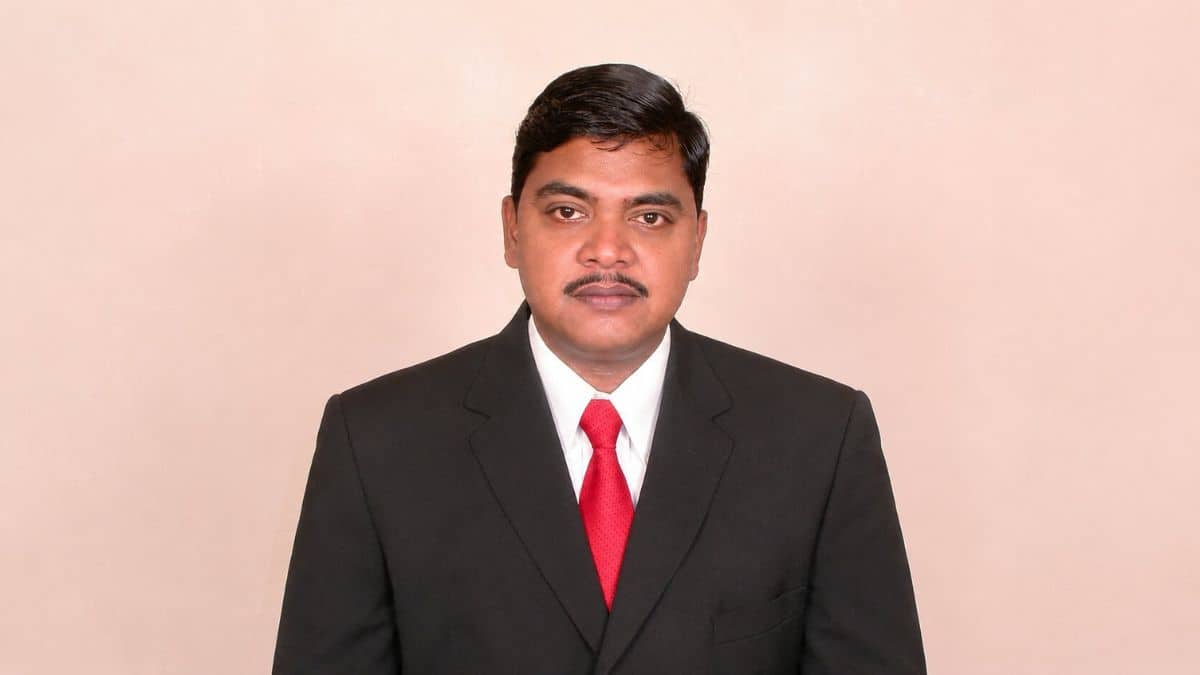
By Michael Sandeep Surla
During my recent visit to the United States, my daughter, an AI engineer at NVIDIA – at the heart of today's artificial intelligence revolution – said something that was both surprising and disturbing – “Much of what I studied in engineering at NITK [National Institute of Technology Karnataka Surathkal] has little relevance to what I do today.”
Success now depends less on where you studied and more on how quickly you learn, adapt, solve problems, and create value. In fact, after a few years of experience, global companies care far less about whether you studied at an Indian Institute of Technology (IIT), an NIT, or an ordinary engineering college. What matters is performance.
My son presents a different concern. After years of relentless effort, he is now in the final year of MBBS. Yet he still has two more years to complete his basic medical training, followed by postgraduate studies and years of specialisation.
Also read Across universities, 4th year of NEP’s FYUP more about confusion than research or practical training
As a father, I cannot help asking, by the time he completes this long journey, what will medicine look like? In what ways will AI and robotics transform the practice of medicine and surgery? How much faster will medical knowledge grow, pushed on by algorithms and artificial intelligence.
Indian education system not for 21st century
These questions raised more uncomfortable ones: is India’s education system preparing students for the future or the past? For over seven decades, we have used roughly the same format – an assembly line of schooling, college, more professional qualifications, each part of standard duration.
Millions of students enter this conveyor belt every year, and millions emerge with certificates, degrees, and diplomas. The uncomfortable question is, what exactly are they prepared for? 17 years of education for a three-minute AI answer!
The truth is that our education system was designed for the twentieth century, not the twenty-first. It was designed to create clerks and administrators for a bureaucratic structure that rewards obedience and rote-learning. It no longer serves a world where knowledge doubles at unprecedented speed and continues to force students through a system that measures success by examination scores, not capability. In an age where AI learns in seconds, why are humans still expected to learn on a decades-old timetable?
Also read How Samarth portal glitches plague admissions, exams, payments across universities
Why should every student spend exactly 12 years in school before progressing? Why must everyone follow the same path regardless of aptitude? Why should a degree require a fixed number of years rather than demonstrated competence? Why should professional education remain structured around traditions established decades ago? A brilliant learner should not be forced to move at the speed of the system. A struggling learner should not be pushed forward simply because the calendar says so. Education should be based on mastery, not age.
Higher Education: ‘Obsessed with degrees’
Even more controversial is the question of higher education. We are obsessed with degrees while neglecting skills. Parents gloat about engineering and management degrees while employers increasingly complain of graduates lacking basic competence. The result is a nation of degree holders, rather than innovators.
But many of the world’s best-known entrepreneurs and business leaders acquired their skills outside the classroom.
Are teachers being equipped for AI? We continue to reward memorisation, celebrate certificates and count marks when the world rewards creativity, adaptability, and problem-solving. This is educational absurdity.
Michael Sandeep Surla is an HSE specialist based in Saudi Arabia.
 Add as a preferred source on google
Follow us for the latest education news on colleges and universities, admission, courses, exams, research, education policies, study abroad and more..
To get in touch, write to us at news@careers360.com.
Next Story
]Latest Education News
]Related News
]The top 2% scientists' list counts papers, citations well; retractions may need a closer look
Sociology at a Crossroads: Why the discipline must move beyond departments to reclaim relevance
Soon, your first job in finance may be arguing with a machine; B.Com isn’t preparing you for that


