
Andhra Pradesh Draft Coaching Rules: Dummy school ban, 5-hour limit, CCTV surveillance
Aatif Ammad | February 26, 2026 | 10:57 PM IST | 2 mins read
Registration within 3 months, monthly mental health audits, pro-rata fee refunds and penalties up to Rs 1 lakh form key highlights of the proposed framework
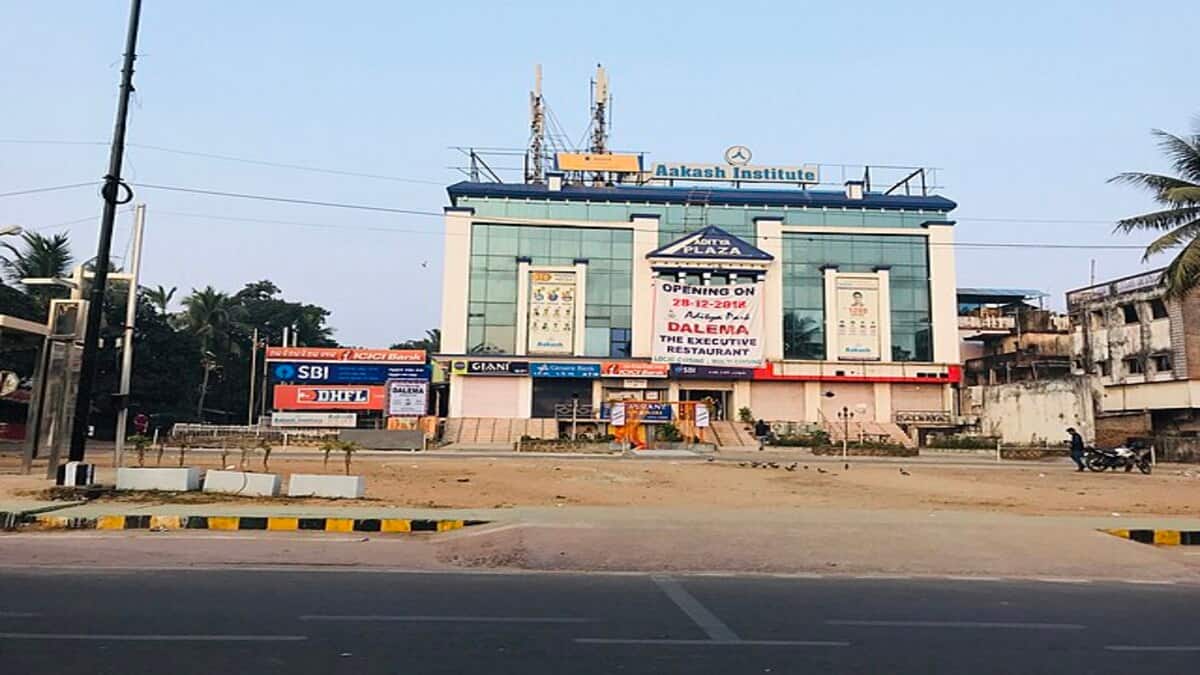
The Andhra Pradesh government has drafted the Andhra Pradesh Coaching Institutions (Regulation and Control) Rules, 2026, proposing a regulatory framework for private coaching centres across the state. The draft rules seek to standardise infrastructure, academic operations, fee practices, and student welfare systems, while placing a strong emphasis on mental health safeguards and institutional accountability
Announcing the draft, Nara Lokesh, minister for human resources development, sought public suggestions and emphasised that student mental health, safety and overall well being are the government’s foremost priorities.
The proposed regulations aim to ease academic stress, ensure greater transparency in functioning, and enforce institutional accountability, with strict penalties for non compliance.
If notified, the rules would apply to all institutions coaching more than 30 students per day for competitive examinations or academic support, including junior colleges and other training centres .
Also read Not Just JEE, NEET: Plans for IIT Kanpur - SATHEE go far beyond coaching to ‘routine school support’
AP Coaching Rules: Fee transparency, penalties
As per the draft every coaching institute needs toaa set up a wellness cell by entering into a formal agreement with a nearby hospital or licensed psychologist and appoint trained faculty mentors. The draft rules assign the following key responsibilities:
Mandatory submission of anonymised monthly wellness and annual mental health audit reports
Reports to include counselling data, psychiatric referrals, stress indicators and outreach activities
Compulsory disclosure of fee structure and refund policy on website and prospectus
Pro-rata refund within 10 days for mid-course withdrawals
“Non-refundable fee” clauses declared void
Withholding of original certificates strictly prohibited
Graded penalties ranging from Rs 50,000 to Rs 1 lakh
Cancellation of registration in severe or repeated violations
Appellate mechanism available against DLMC decisions
New monitoring committee for coaching
The draft makes registration compulsory for all eligible coaching institutions, with a District Level Monitoring Committee (DLMC) designated as the registering and supervisory authority chaired by the district collector and comprising officials from police, education, health departments and civil society, the DLMC will oversee implementation and handle complaints.
As per the draft existing coaching centres must apply for registration within three months of notification, failing which they may be treated as unauthorised entities and face closure and penalties . Registration will be valid for three years, with renewal required 60 days before expiry.
Hostel-linked coaching institutions will be held accountable for safety lapses. Mandatory measures include anti-suicide spring-loaded ceiling fans, CCTV surveillance in common areas, restricted terrace access, adequate wardens and sanitation standards .
No coaching classes during school hours
The draft also introduces operational safeguards aimed at reducing academic strain. Coaching classes cannot be conducted during regular school or junior college hours, effectively prohibiting the “dummy school” model . Coaching duration has been capped at five hours per day, with a compulsory weekly holiday to ensure rest .
The framework also mentions the establishment of dedicated wellness cells in every coaching centre. Each centre must formally engage qualified mental health professionals and appoint trained faculty mentors to provide psychological support . Mandatory mental health screening within 30 days of admission, peer mentorship initiatives, psychometric assessments and periodic de-stress workshops involving parents have been prescribed .
 Add as a preferred source on google
Follow us for the latest education news on colleges and universities, admission, courses, exams, research, education policies, study abroad and more..
To get in touch, write to us at news@careers360.com.
Next Story
]Latest Education News
]Related News
]Nobel Peace Prize 2026: Indian-origin Navi Pillay honoured for work on peace, international law
Anne Carson wins Nobel Prize in Literature 2026 for ‘her bold, inventive oeuvre’
NMC tightens medical advertising norms; bans AI-generated testimonials, unverified claims


