
Delhi student suicide sparks calls for 'mentally healthy schools'; experts push for systemic reforms
Press Trust of India | November 22, 2025 | 02:21 PM IST | 4 mins read
Delhi Class 10 Student Suicide Case: Recent student deaths in Delhi, Jaipur, and Rewa expose bullying, harassment, and weak mental health support. Experts and parents demand policy reforms and accountability.
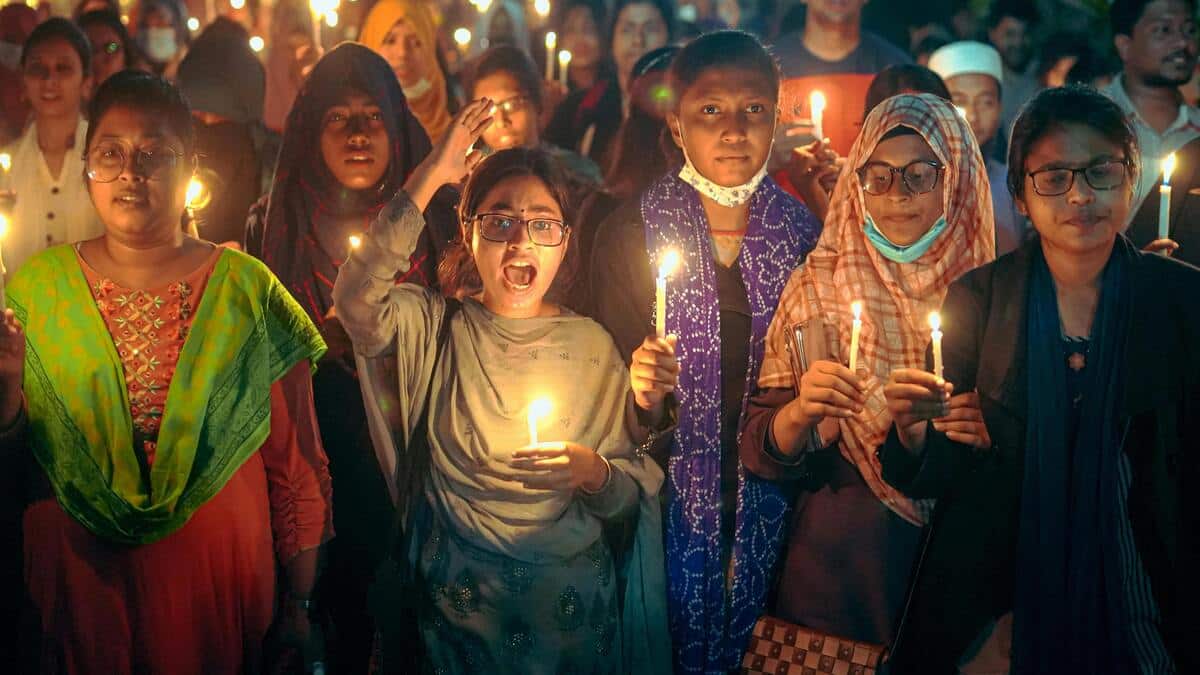
NEW DELHI: As outrage over student suicides intensifies, experts are calling for reforms to create "mentally healthy schools" while angry parents' associations are demanding "government takeover" of institutions linked to such cases. In all, the focus is on systematic changes to prevent further loss of young lives.
On Tuesday, a Class-10 student of the St Columba's School in New Delhi, who once dreamt of becoming "the next Shah Rukh Khan", took a fatal step and jumped off the platform of the overground Rajendra Place Metro station following months of alleged harassment by his teachers. While the tragic incident has sparked nationwide debate, with some blaming schools and others siding with parents, mental health expert Neha Kirpal cautions that such polarisation is misplaced.
She emphasises that “suicidality is everyone’s responsibility” -- encompassing teachers, parents, caregivers, staff, and the wider community -- and no one can absolve themselves of it. "PTAs and school associations need to collaborate to address suicidality systemically and preventively. Suicidal thoughts rarely emerge and act out suddenly; they progress through multiple phases, often overlooked due to myths or assumptions.
"The public narrative of sudden shock often absolves society of responsibility, even though warning signs usually exist. It is crucial to recognise these signs early and respond in a safe, supportive manner for the child," Kirpal, co-founder of Amaha Health and India Mental Health Alliance, told PTI.
Recent student suicide cases
There has been a spate of such tragic incidents in recent weeks. Apart from the Delhi case, a 17-year-old Class-11 student in Madhya Pradesh's Rewa died by suicide after alleging that a male teacher physically assaulted her. Earlier this month, a nine-year-old girl in Jaipur jumped off the fourth floor of her private school building. The Class-4 student allegedly faced relentless bullying in her school for several months, including verbal abuse from her classmates.
Experts highlight a growing trend of suicidality among schoolchildren, pointing out that India accounts for "one-third of the global suicide burden, and suicide is now the leading cause of death among youth aged 15-29". But Kirpal, who is also the co-author of the book 'Homecoming: Mental Health Journeys of Resilience, Healing and Wholeness', urged all stakeholders, including the media, to go beyond reporting the graphic details of individual incidents. She stressed that the priority must be to address "systemic gaps in preparedness, mental health support, and institutional response".
Class 10 School Student Suicide: Legislation for mentally healthy schools
One of her key suggestions: a legislation mandating "mentally healthy schools" -- evaluated on standardised criteria for staffing, training, resourcing, and policy. "There are global initiatives known as ‘mentally healthy schools’, which assess whether a school meets key standards across areas such as staff training, counsellor availability, and resource allocation to qualify as a mentally healthy institution.
"Currently, our school system faces a significant policy and implementation deficit, with too few counsellors, inadequate training, limited budgets, and an absence of structured mental health frameworks," explained Kirpal, pushing for changes that support not only students, but teachers' mental health as well. Adding to this, clinical psychologist Jayanti Dutta highlighted the hostile environment many students face, where teachers, themselves under pressure, often fail to address bullying or harassment.
“All these schools have counsellors and clinical psychologists but they often don’t intervene. Most teachers don’t bother... They’re under pressure and have no time. Administrations, too, ignore what is happening with the teachers, creating a very bad atmosphere in these schools,” she observed. Dutta warned that children often cannot confide in even their parents, leading to a loss of trust in adults -- a factor she described as “the most damaging” in a child’s mental health journey.
Parents demand school accountability
Frustrated with a system that leaves children and their parents to bear the brunt, Aparajitha Gautam, president of the Delhi Parents' Association, did not mince words in holding schools directly accountable. She pointed to the "deep-rooted failures" within schools, describing them as “commercialised, insensitive, and defensive”. “I know for a fact that in these schools, children’s complaints often go unheard, with principals sometimes dismissing concerns by blaming the child. Many such schools maintain counsellors only on paper, while anti-bullying committees and PTAs remain largely hidden or inactive,” she said.
Gautam called for criminal action against school managements, immediate cancellation of school recognition, and government takeover, warning that without strict laws and enforcement, little will change. “If schools know that ignoring complaints or harassing children could result in licence cancellation, things will improve," she added. In the case of the Delhi boy's suicide, four staff members of St Columba's School, including the headmistress, have been suspended after an FIR was filed in connection with the alleged mental harassment of the Class-10 student.
If you know someone – friend or family member – at risk of suicide, please reach out to them. Those in distress or having suicidal thoughts or tendencies could seek help and counselling by calling 9820466726 or visiting AASRA’s official website or can call iCALL on 9152987821. Here are some more helpline numbers of suicide prevention organisations that can offer emotional support to individuals and families.
 Add as a preferred source on google
Follow us for the latest education news on colleges and universities, admission, courses, exams, research, education policies, study abroad and more..
To get in touch, write to us at news@careers360.com.
Next Story
]UP primary school teacher suspended for punishing girl student, misleading department
The teacher, Sunita Saini, was found guilty of pasting cello tape on a student’s lips. A probe revealed she filed false complaints against colleagues and violated the Right to Education code of conduct.
Press Trust of IndiaLatest Education News
]Related News
]Board Exam 10th, 12th Time Table 2027 LIVE: RBSE, Andhra Pradesh Class 10, 12 exam dates soon; direct links
CBSE Date Sheet 2027 Live: Class 10, 12 exam dates soon on cbse.gov.in; private candidate form, LOC submission
Varanasi air show: Schools in two Chandauli blocks to hold online classes on Oct 22, 24


