
ICAR DDG: ‘NEP rollout priority; multiple entry-exit option helps bring students back to BSc agriculture’
Musab Qazi | August 25, 2026 | 11:22 AM IST | 7 mins read
Newly appointed ICAR deputy DG on NEP implementation, why agriculture graduates are choosing entrepreneurship, private sector jobs, and more
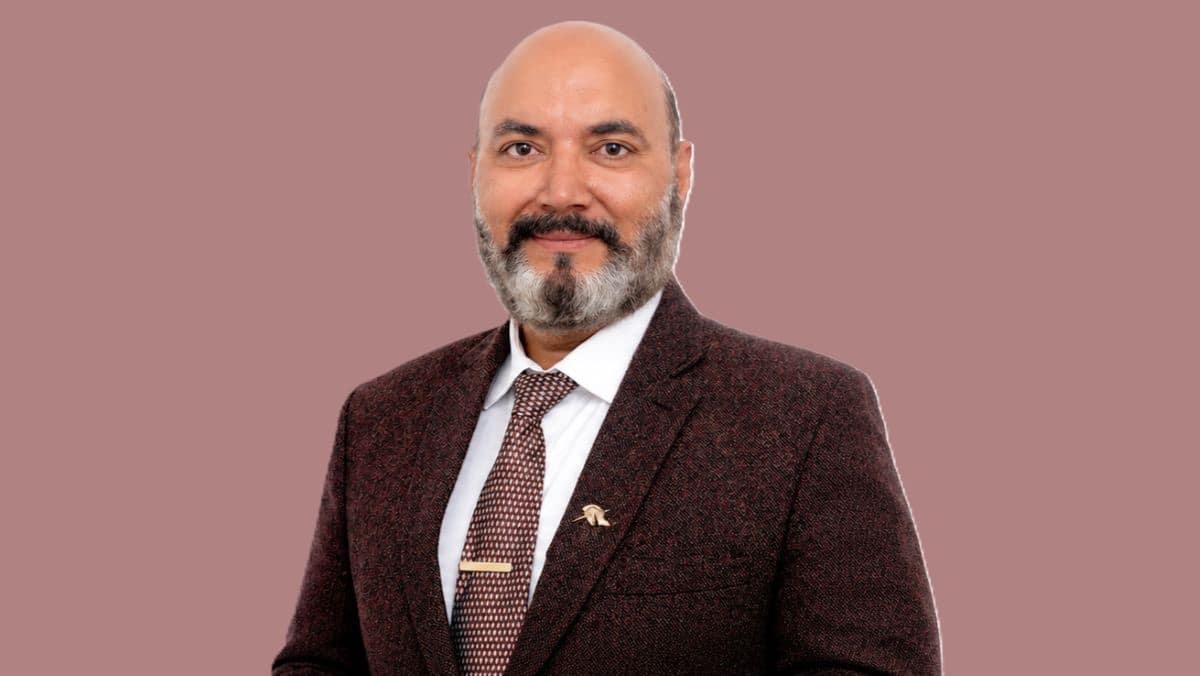
Yashpal Singh Malik, a veterinarian and virologist, has recently been appointed as the deputy director general (agriculture education) at the Indian Council for Agricultural Research (ICAR). He previously served at the Indian Veterinary Research Institute (IVRI) Izatnagar, and was dean at College of Animal Biotechnology, Guru Angad Dev Veterinary and Animal Sciences University, Ludhiana. He is known for his work on coronaviruses, Japanese encephalitis virus and rotavirus.
During an interaction with Careers360, Malik spoke about his new role, benefits of NEP for agriculture education and making agriculture graduates more employable. Edited excerpts:
What is your vision and priorities for the agriculture education sector?
This is definitely an opportunity for me. I belong to this very system, having served as dean at a college and spent 18 years at IVRI, including as students’ welfare officer. I have been connected to many students and research and academic institutes for a long time. Hence, I am well aware of the students' needs and what can be done about them; what new programmes can be introduced. Being in this position, I am trying to fulfill the Council's mandate, which is aligned with the national priorities.
Our first priority is implementing the National Education Policy (NEP) 2020, as it has brought a number of things aimed at helping students, improving education and taking it those it hasn't reached. This policy provides a pathway for educating those who had to leave their course midway for any reason, pursuing superspecialisation or studying for two degrees simultaneously. While there has been a delay in implementation, the majority of agricultural universities have now accepted NEP. So, we are happy to see the progress.
We need to see to it that the policy’s benefits reach the students, the faculty, the administration and institutions. The agriculture division is working consistently to contribute towards developing futuristic agriculture and future ready human capital.
How do you plan to bring back those who discontinued their BSc agriculture, diploma courses?
NEP has the multiple entry-exit provision, where students leaving their course get a certificate, diploma and degree [depending on the level they completed]. It also focuses on skill development, with some special industry-oriented training offered every year. So if the student leaves their course, it won't be a complete loss. They will get the minimum knowledge and awareness to enter the industry. And if their situation improves and they wish to be back, they will get another opportunity.
What kind of skill-based courses are colleges offering? And have you assessed their impact?
The impact analysis is an ongoing process. The students are being trained in farm-oriented mechanisation, automation and drone flying as per the guidelines of the government so that they have the basic knowledge.
Data collected by the National Institutional Ranking Framework (NIRF) shows that the colleges are struggling to place students even at the postgraduation level. How can this problem be addressed?
I will have to differ with you on this. All our 80-odd universities, including deemed and central universities, have placement cells managed by some official from the institute. The universities have tie-ups with the industries. Whenever a batch is about to graduate, their information is sent to relevant employers, some of whom visit the campus, while others hire off campus. But both the types of recruitment are arranged through placement cells.
Many of the graduates prefer to go into entrepreneurship after master’s. We can't say they didn't find employment because startups are working wonderfully. The data we have gathered from agricultural universities shows that some of the good startups are earning Rs 20-30 lakh a year, working in novel areas such as farming instrumentation and disease identification. Some of the students are going abroad for higher education. The overall scenario is not pessimistic.
It's evident that there are good placements even after PhD – not only in research and academics but also in industry if the students' work is aligned to their needs. And, with NEP in place, we are very much inclined towards industry. At many places, industries have partnered with research advisory councils and universities. While it helps industries find better candidates, they help change the curriculum according to their needs. The students are not failing at all. We still take efforts to ensure that the placement cells perform better. And if we receive any grievance from students or institutes, we try to address them promptly.
Students tell us that they are pursuing higher education simply out of lack of options, as there are not enough well-paying jobs after the degree course. How do you see this trend?
The undergraduate students start thinking about going into academics and pursuing research right from the third or fourth year of their course. They also appear from competitive exams for the posts of scientists and assistant professors as well as the tests conducted by some of the universities. Since the aspirants outnumber the available spots, they opt for PhD as they have already made up their mind about making a career in research and academics.
Other UG students start thinking about establishing startups and companies. Those who don't want to spend time doing master’s and PhD, go for short-term diploma courses to utilise their skills in the field. Those who make up their mind about joining the industry in administrative roles opt for MBA in human resource management or financial management. So, it differs from student to student, but there are many options, including in allied sectors such as fisheries, veterinary sciences and even armed forces.
There's definitely a competition, but it's a positive competition, if the students are prepared well and have good mentors. There are different clubs in colleges that teach students soft skills. The placement cells prepare them to face interviews. Our ultimate aim is to ensure that the last student excels too. We are more focused on those that are struggling.
Most of the graduates aspire for government jobs. Why is the private sector yet to become attractive to them?
The industry says that they are not getting the kind of employees they need. The students are in need of more training. If someone's industry-ready, they are ready to take them even at a higher post. They seek practicality. They need those who start delivering. We have 114 institutes including ICAR, 80 universities, around 5,000 scientists and semi-technical posts that are open to graduates and postgraduate students. So, there's enough capacity to absorb graduates.
A bulk of the agriculture students are studying at affiliated colleges – not universities – which often lack the necessary infrastructure and faculty. How would you address this challenge?
Assuring quality at all universities is one of the mandates of the Council. We monitor regularly through our committees. We ensure that both the government and private institutes have sufficient faculty members in place. They need to fulfil the minimum standards of classrooms and college. Our committees check everything including the salaries and service details of employees. They also independently seek student feedback.
We only consider the colleges for grading after satisfying ourselves about their quality and teaching. There are student-faculty-paratechnical staff ratio norms in place. We try our best to ensure compliance with the set criteria, although sometimes there are delays. In many of the institutes, the faculty positions are moving in a positive direction, because their accreditation depends on it.
Is there any change in the admission process this year?
No. The National Testing Agency (NTA) conducts all our exams, which is what we prefer. And it's going very well.
Has there been any changes in terms of student enrollment and diversity after NTA took over the agricultural exams?
They have improved. More students are applying, compared to the previous system. Students are coming from all parts of the country. During my personal visit to universities, I have observed that they have representation from 16-20 states, and even other countries. This is a very good proportion. Students are very happy to meet peers from other parts of the country.
Two new programmes have been introduced – natural farming and agribusiness management – in the Sixth Deans’ Committee Report. What has been the response for the two?
It's a very good response. Natural farming, especially, is the need of the hour. The government is inclined towards it. Nature, too, demands it. If we want to preserve nature, we should opt for natural farming. Some universities have taken significant lead in it.
 Add as a preferred source on google
Follow us for the latest education news on colleges and universities, admission, courses, exams, research, education policies, study abroad and more..
To get in touch, write to us at news@careers360.com.
Next Story
]Latest Education News
]Related News
]Nobel Peace Prize 2026: Indian-origin Navi Pillay honoured for work on peace, international law
Anne Carson wins Nobel Prize in Literature 2026 for ‘her bold, inventive oeuvre’
NMC tightens medical advertising norms; bans AI-generated testimonials, unverified claims


