
IIT Roorkee develops nano-enabled method to rapidly remove toxic plastic pollutants from water
Aatif Ammad | January 13, 2026 | 07:07 PM IST | 2 mins read
The nano-enabled approach uses nutrient-loaded particles to activate bacteria, enabling near-complete phthalate removal within hours.
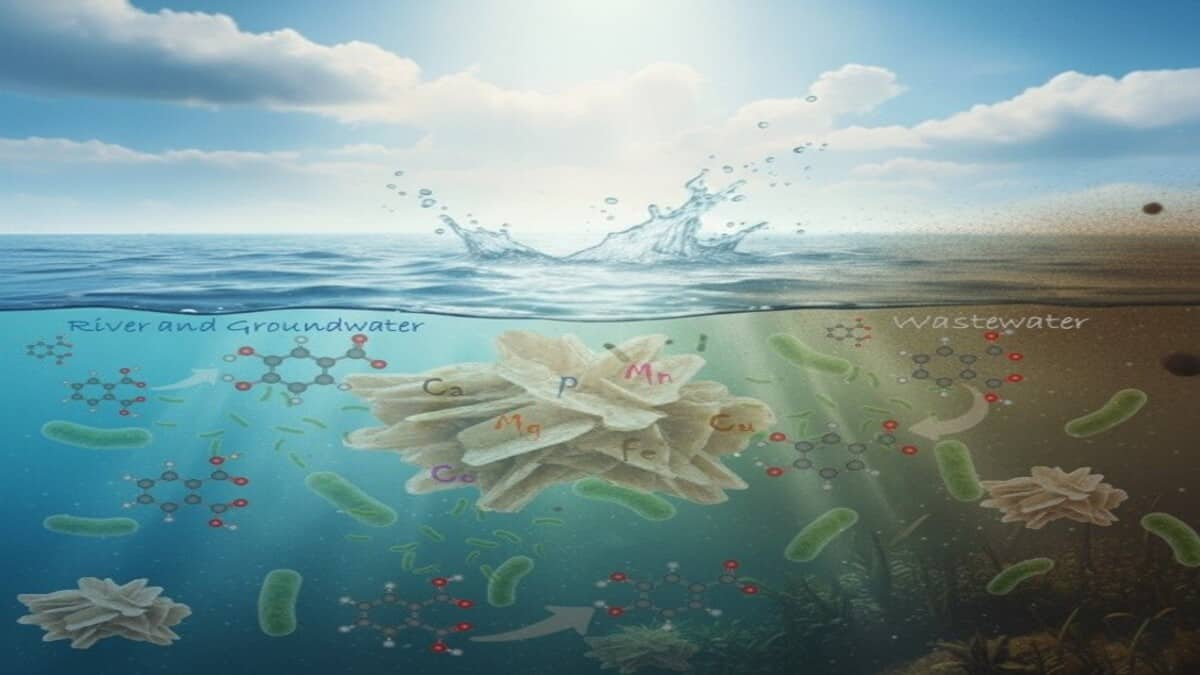
Researchers at Indian Institute of Technology(IIT) Roorkee have developed a nano-enabled bioremediation strategy that can rapidly remove toxic plastic additives from contaminated water, offering a faster and environmentally safer alternative to conventional cleanup methods.
In a study published in ACS ES&T Water, the team demonstrated that specially engineered, nutrient-loaded nanophosphates can stimulate pollutant-degrading bacteria to break down phthalates—widely used plastic additives known to disrupt hormones, within just a few hours, even in nutrient-poor water.
Phthalates are widely detected in rivers, groundwater and wastewater, but cleanup is often slow because polluted waters lack the nutrients needed for bacterial activity; adding conventional fertilizers can further degrade water quality by causing eutrophication, the IIT Roorkee press release noted.
To address this, the IIT Roorkee team designed multinutrient nanophosphate particles that act as microscopic nutrient reservoirs, releasing phosphorus, magnesium, calcium and trace metals in a controlled manner directly to bacteria.
“Our research shows that nanophosphates can completely replace conventional nutrient media…They provide sustained nutrition without overwhelming the environment,” IIT Roorkee researchers said.
IIT Roorkee nano-tech cleans polluted water fast
The study found when the nanophosphates were combined with the pollutant-degrading bacterium Rhodococcus jostii RHA1, phthalates were removed almost completely within three hours, even in plain water. The bacteria began growing immediately, indicating rapid nutrient uptake from the nanoparticles, and the method remained effective in tap water, river water and synthetic wastewater.
Also read IIT Madras develops ramjet-assisted artillery shells for Indian Army, extends gun range by 50%
Advanced microscopic and chemical analyses confirmed that bacteria colonised and gradually dissolved the nanophosphate particles to access nutrients, ensuring sustained biodegradation without causing harmful nutrient spikes, the researchers said.
“The work highlights the institute’s focus on science-driven solutions for sustainability,” IIT Roorkee director KK Pant said, adding that the integration of nanotechnology and environmental microbiology can advance clean water efforts “without causing secondary ecological damage.”
A senior member of the research team said the innovation aligns closely with national priorities such as Namami Gange, Swachh Bharat and the Jal Jeevan Mission, calling it “a viable pathway for restoring polluted water bodies” while protecting ecosystem health and supporting the UN Sustainable Development Goals.
Beyond phthalates, the researchers believe the strategy can be adapted to other persistent pollutants in water and soil, opening pathways for scalable, low-input and sustainable remediation technologies.
 Add as a preferred source on google
Follow us for the latest education news on colleges and universities, admission, courses, exams, research, education policies, study abroad and more..
To get in touch, write to us at news@careers360.com.
Next Story
]Latest Education News
]Related News
]JNU Sexual Harassment Row: Bimol Akoijam to challenge dismissal, file case in 1-2 days
Kerala, UP declares school and college closure on October 19 for Durgashtami festival
Calcutta University Decentralised Counselling 2026: Round 1 registration open for 148 BTech vacant seats


