
JNUTA calls JMI professor’s suspension illegal, warns against policing academic thought
Anu Parthiban | December 25, 2025 | 01:06 PM IST | 2 mins read
The Jawaharlal Nehru University teachers’ body also pointed out that the suspension order does not specify what constitutes "negligence or carelessness".
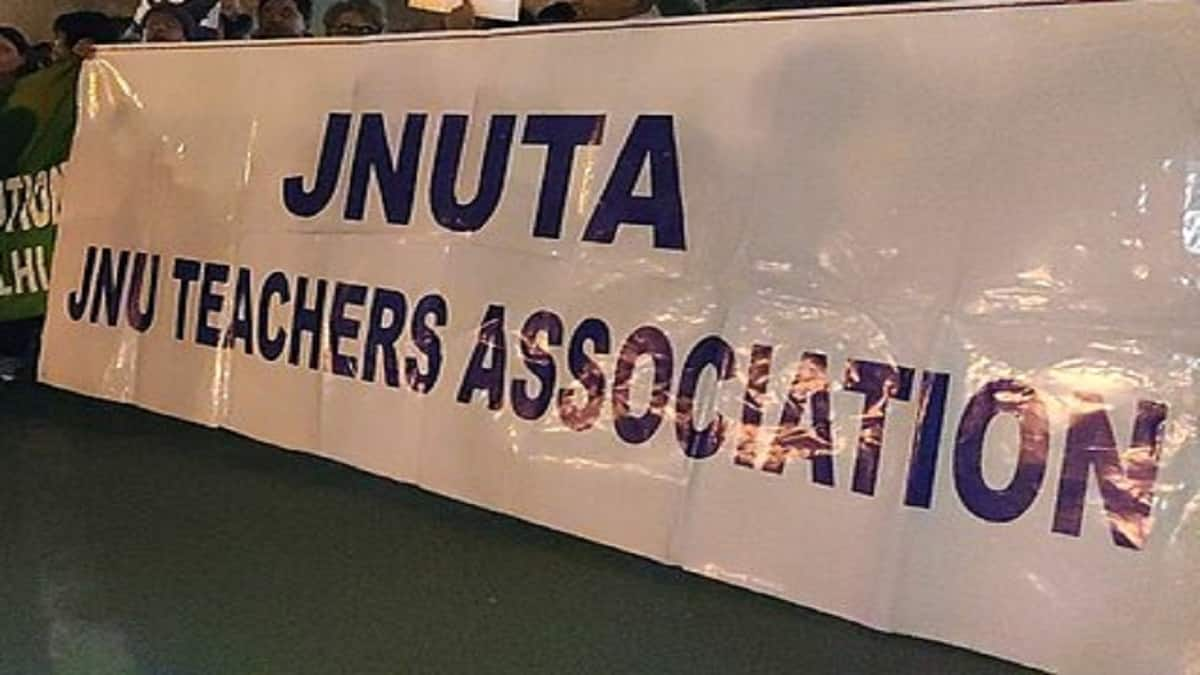
The Jawaharlal Nehru University Teachers’ Association (JNUTA) has strongly condemned the suspension of Virendra Balaji Sahare, a professor in the Department of Social Work at Jamia Millia Islamia (JMI), calling the action “illegal, arbitrary, and an unacceptable policing of academic thought”.
In a statement issued on Wednesday, the JNUTA said the decision by the Jamia vice-chancellor to place the professor under suspension over alleged "negligence and carelessness” in setting a question paper was not supported by the statutory provisions governing the university. Sahare was the paper setter for the semester exam of the BA (Hons) Social Work course titled “Social Problems in India”.
In a statement, the JNUTA said, “The suspension order invokes Statutes 37(1) of Jamia which empowers the Vice Chancellor to place a teacher under suspension where ‘there is an allegation of misconduct’.” However, the teachers cited the Supreme Court rulings to argue that negligence or carelessness, even if assumed, does not constitute misconduct for the purposes of disciplinary proceedings.
The teachers’ body also pointed out that the suspension order does not specify what constitutes negligence or carelessness, nor does it cite any rule that was violated by the professor. Instead, the suspension order only refers to “several complaints” from unnamed sources regarding the content of the exam.
Also read ‘Last democratic step’: Why 200 OUAT Bhubaneswar research scholars are on hunger strike
JNUTA calls suspension attack on academic freedom
The optional question in the BA (Hons) Social Work semester exam was about atrocities against Muslim minorities in India. The appropriateness of the content of an academic question cannot depend on the likes and dislikes of people.
“The extension of a disagreement or difference of opinion to the point of policing academic thought to suit this or that narrative goes fundamentally against the spirit of such questioning and debate, and no university can remain a university if it indulges in such practices,” the statement read.
“The real problem would arise if such questions were to be excluded from academic inquiry and discussion Would questions on caste atrocities and discrimination, or those related to the oppression of women, have to be similarly set aside simply because some people do not like them being asked?” it said.
The JNUTA demanded the immediate revocation of the suspension and described the action as an “academic witch hunt” that could undermine the autonomy and credibility of institutions.
 Add as a preferred source on google
Follow us for the latest education news on colleges and universities, admission, courses, exams, research, education policies, study abroad and more..
To get in touch, write to us at news@careers360.com.
Next Story
]Latest Education News
]Related News
]Delhi High Court dismisses pleas seeking SIT probe into 2020 northeast Delhi riots, Jamia violence
Jamia students protest eviction notices to 3 women hostellers; university calls it ‘misrepresentation'
JMI students protest over ‘arbitrary’ eviction notices to women hostellers; AISA, SFI, SIO join agitation


