
Karnataka High Court restricts fresh recruitment under SC, ST quota law
Vaishnavi Shukla | December 2, 2025 | 02:55 PM IST | 2 mins read
The state HC has allowed to continue to recruitment process notified before November 19, 2025, even if they followed the ‘enhanced quota’ reservation.
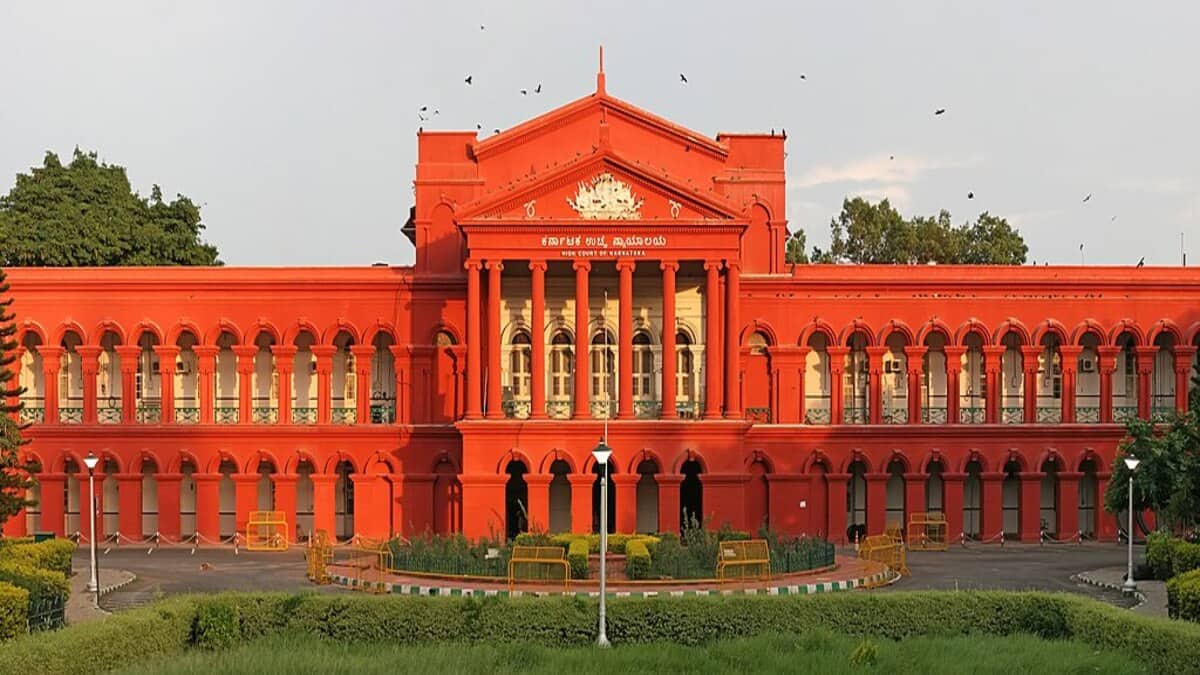
The Karnataka government issued an order restricting any fresh recruitment under an Act that has increased quotas for Scheduled Castes (SC) and Scheduled Tribes (ST) candidates. However, the court has allowed the recruitment process to continue, which was already notified before November 19, 2025, even if they follow the increased reservations.
The petitioners had questioned the constitutional validity of the 2022 Act, particularly the hike in reservation, from 15% to 17% for SCs and from 3% to 7% for STs. The reservation for Other Backwards Classes (OBCs) continues to remain at 32%, which takes over all reservations in the state to 56%.
According to the Karnataka HC’s order, the restriction on recruitment under the Karnataka Scheduled Castes (SCs) and Scheduled Tribes (STs) (Reservation of Seats in Education Institutions and Appointments of Posts and Services under the State) Act, 2022, will remain until further orders.
The division bench of Chief Justice Vibhu Bakhru and Justice C M Poonacha issued the interim order on November 27 while hearing two PILs filed by Mahendra Kumar Mitra of Raichur and Mahesh of Bengaluru.
Also read Centre to directly pay SC students’ college fee up to Rs 2 lakh under revised scholarship scheme
No ‘enhanced’ quotas for SC, ST
Karnataka HC has also directed that appointment or promotion orders issued under the quota law must clearly mention that they are temporary and depend on the court’s final decision. This way, even if increased quotas are cancelled later, the candidates cannot claim any special rights.
The court further stated that allowing ongoing recruitments to continue for now does not cancel or overrule any interim or final orders already issued by other courts or tribunals in similar cases. Earlier, the state government had argued that stopping these recruitments would affect administration because of “manpower shortages”
The petitioners argued that the increased quota violates the 50% limit on reservations set by the Supreme Court in the Indra Sawhney case. They also claim that the State did not consult the National Commissions for SCs and STs, as required under Articles 338(9) and 338A(9) of the Constitution.
 Add as a preferred source on google
Follow us for the latest education news on colleges and universities, admission, courses, exams, research, education policies, study abroad and more..
To get in touch, write to us at news@careers360.com.
Next Story
]Latest Education News
]Related News
]NEET PG Result 2026 Live: NBEMS publishes PG result online; individual scorecards, answer keys on Oct 1
NEET UG Counselling 2026 LIVE: Round 3 seat matrix out; allotment on Sep 30


