
SC to hear PIL against CBSE’s three language policy for Class 9 next week
Ruchika Kumari | May 22, 2026 | 12:47 PM IST | 2 mins read
Senior advocate Rohatgi sought urgent listing, arguing CBSE's new rule imposes an abrupt academic burden on secondary school students.
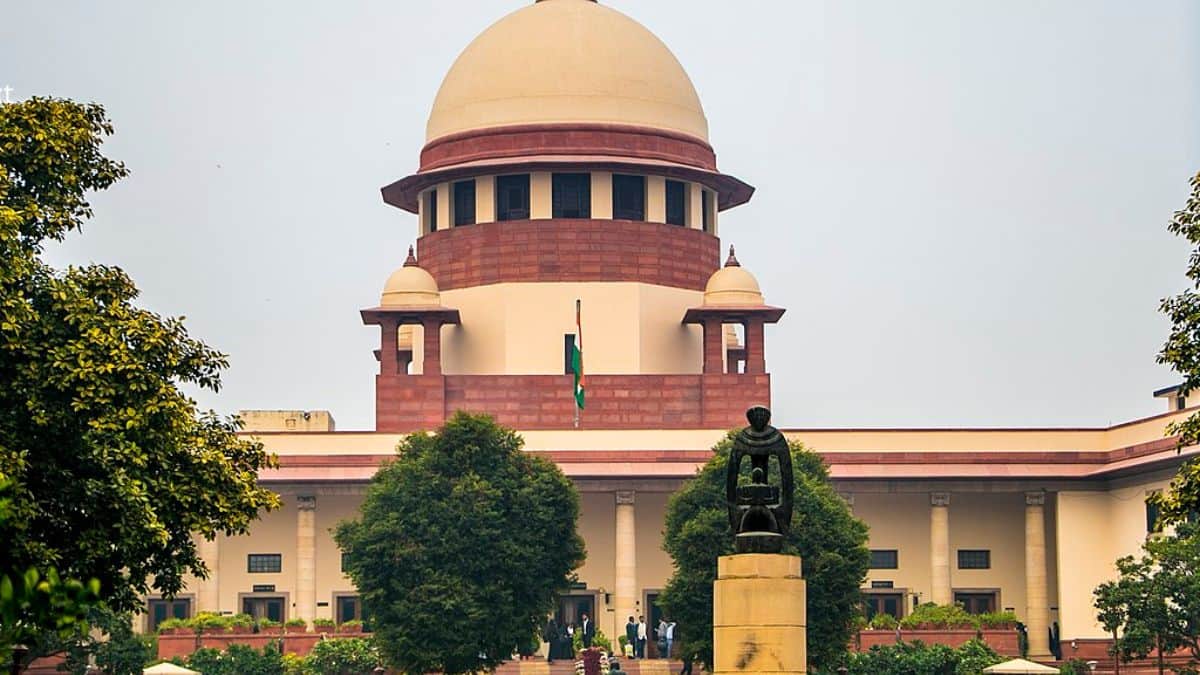
A public interest litigation (PIL) has been filed in the Supreme Court challenging the Central Board of Secondary Education’s (CBSE) new policy mandating two compulsory languages for Class 9 students from this year. Senior Advocate Mukul Rohatgi mentioned the matter before the apex court on May 21, requesting an urgent hearing on the plea filed by students, teachers and parents from across the country. He highlighted that the sudden implementation of the policy can possibly create academic difficulties for students.
“Suddenly, in the 9th standard, two languages have been made compulsory. Very different from what is happening. This will create chaos,” Rohatgi told the apex court. He also questioned how students who just passed Class 8 exams would be expected to learn a new language and appear for Class 10 board examinations in 2028 within a short span of time.
“This is a petition by students, teachers and parents across the nation challenging the new CBSE policy... by which in 9th standard, two more languages have been made compulsory... how can a student of Class 9 take a new language and give exam in 10th? This will create chaos,” Rohatgi submitted as reported by Live Law.
Also read CBSE changing Class 9, 10 syllabus from 2026-27; 3rd language compulsory, 2 levels of maths, science
SC hearing next week
A bench led by Chief Justice of India (CJI) Surya Kant agreed to list the matter for hearing next week. “Next week is miscellaneous week, we will adjust somewhere,” the CJI said in response to the request for urgent listing.
The plea is expected to raise concerns regarding the implementation timeline of the language policy and its impact on students transitioning to secondary education.
CBSE makes third language compulsory
CBSE has made the third language compulsory for Class 9 students from July 1, 2026, under its revised three-language policy. Schools have been asked to use Class 6 language textbooks temporarily until dedicated Class 9 books are released. If schools lack language teachers, other teachers with “functional proficiency” may teach the subject. The board clarified that at least two of the three languages must be native Indian languages. However, there will be no board exam for the third language in Class 10, as assessments will remain school-based and internal during the transition period.
Also read ‘No change in policy’: Tamil Nadu minister rules out three-language formula in schools
The availability of Class 9 textbooks has remained inconsistent amid the NCERT ongoing textbook revision process, prompting intervention from the education ministry over shortages reported by schools. CBSE said guidelines for supplementary literary material will be issued by June 15. The board also noted that Class 6 R3 textbooks in 19 scheduled languages are yet to be released and are expected by July 1. For other native Indian languages, schools may continue using SCERT and state-level study materials, as followed earlier.
Starting with the 2028 board examinations, students will be required to appear in at least two languages. CBSE has also widened its language basket at the secondary level by introducing Santhali, Maithili, Dogri and Konkani, taking the total number of languages offered by the board to 44.
 Add as a preferred source on google
Follow us for the latest education news on colleges and universities, admission, courses, exams, research, education policies, study abroad and more..
To get in touch, write to us at news@careers360.com.
Next Story
]Latest Education News
]Related News
]CBSE Date Sheet 2027 LIVE: 10th, 12th time table soon on cbse.gov.in; sample papers, grading system
Board Exam Timetable 2027 LIVE: TN 10th, 12th dates out; UPMSP, BIEAP, Maharashtra date sheet
Moral education, skill training courses planned for Himachal schools: CM Sukhu


