
SNU Chennai VC: Mechanical, civil, chemical engineering still deliver; demand for BTech cybersecurity on rise
Aeshwarya Tiwari | June 30, 2026 | 05:18 PM IST | 8 mins read
Despite AI boom, placement data from Shiv Nadar University Chennai shows core BTech courses still hold strong career value, says VC; admissions via TNEA, JEE Main, SNUCEE
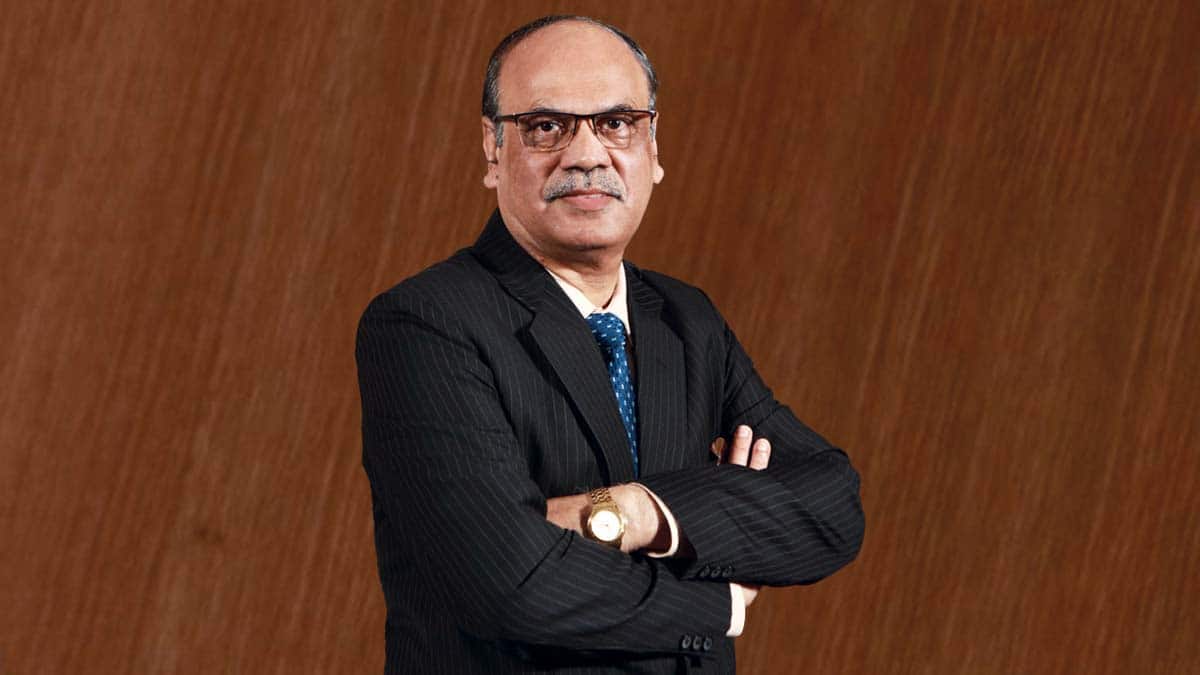
Professor SK Bhattacharyya, founding vice-chancellor of Shiv Nadar University (SNU) Chennai, speaks with Careers360 about the merger of SSN College of Engineering into SNU Chennai, covering key topics such as admissions, scholarships, placements, diversity, and the future of engineering education under NEP and evolving industry needs. Edited excerpts:
Shiv Nadar University Chennai is still relatively new. Why do students choose it over other top universities in Tamil Nadu?
SNU Chennai benefits from the strong reputation of the Shiv Nadar Foundation, which has already established respected institutions such as Shiv Nadar University in Noida and SSN College of Engineering in Chennai. SSN has long been regarded as one of Tamil Nadu’s leading engineering colleges. Since launching five years ago, the university has focused on industry-driven and future-ready programs. In engineering, it offers specialised courses in artificial intelligence and data science, IoT, and cybersecurity – areas that are highly relevant in today’s job market.
The university has also introduced distinctive commerce programmes, including BCom (Honours) and BCom in professional accounting, which prepares students for professional qualifications such as Chartered Accountancy alongside their degree. The combination of trusted brand value, modern programmes, and career-focused education makes SNU Chennai an attractive choice for students.
Now that SSN Engineering college is transitioning under SNU Chennai, how will students benefit from this change compared to earning a degree from Anna University?
While the core academic strengths remain unchanged, students will benefit from a more flexible and modern curriculum structure. Earlier, SSN followed the academic framework prescribed by Anna University. Under SNU Chennai, the curriculum has been redesigned in line with UGC guidelines, allowing greater academic flexibility and interdisciplinary learning.
One of the key changes is the introduction of the major-minor system, enabling students to explore subjects beyond their core discipline. The university has also added more flexibility in course selection and programme structure, helping students gain industry-relevant skills and broader exposure. The transition combines SSN’s established reputation with Shiv Nadar University’s academic vision, creating a more contemporary learning environment.
Earlier, SSN admissions were largely based on TNEA cut-offs. Will SNU Chennai continue with the same process, or will it consider JEE Main?
SSN College of Engineering earlier admitted nearly 65% of students through the Tamil Nadu Engineering Admissions (TNEA) counselling process, while the remaining seats were filled through the management quota with a separate selection process. However, SNU Chennai follows its own independent admission system. Students are admitted through the SNU Chennai Entrance Examination (SNUCEE).
The university uses a three-stage evaluation process. Applicants first appear for the entrance exam, after which their Class 12 academic performance is reviewed. Shortlisted candidates are then invited for an interview. Final admissions are based on a combined assessment of entrance scores, Class 12 marks, and interview performance.
Does SNU Chennai consider any other entrance examinations for admission?
Yes, the university also accepts applications through JEE Main. Students scoring above 90 percentile in JEE Main are eligible to apply, even if they have not appeared for the SNUCEE.
These candidates are assessed through an interview process, and admissions are offered based on their overall performance. Alongside SNUCEE, the university reserves a limited number of seats for students applying through the JEE Main route.
Earlier, AICTE regulated engineering intake capacity. Now, as a private university, SNU Chennai has more autonomy. Are there plans to increase student intake?
For the upcoming academic year, SNU Chennai has largely retained the same intake capacity that existed under SSN College of Engineering. The university says this decision is aimed at maintaining academic quality and preserving the student-faculty balance.
The only exception is the cybersecurity programme, where intake has been increased from 60 to 120 seats. The demand for cybersecurity education has risen sharply over the past few years, with many qualified applicants unable to secure admission due to limited seats. Apart from this programme, seat capacity across other courses remains unchanged.
Today, branches like AI, computer science, and IT dominate student interest compared to core engineering streams. Your views?
The traditional engineering branches continue to hold strong value despite the growing popularity of AI, data science, and related fields. Placement records from SSN College of Engineering show that students from mechanical, civil, chemical, and biomedical engineering have also secured good career opportunities over the years. Student applications still reflect significant interest in core engineering disciplines, with many picking them as their first preference.
Maintaining academic quality remains a priority. Admissions will continue to focus on capable and deserving students rather than increasing intake purely to fill seats.
Also read IITs will test new JEE Advanced format on first-year BTech students this year: IIT Kanpur director
How does SNU balance academic quality with affordability, diversity, and access for students from smaller towns and weaker economic backgrounds?
Our engineering fee structure is quite competitive compared to similar private institutions across the country, at around Rs 3.5 lakh per annum, which is relatively lower in comparison. A large number of students receive scholarships based on merit and family income. We currently provide scholarships worth about Rs 5 crore.
What steps are taken to enhance student diversity on campus?
Gender representation is nearly balanced, with about 48-49% of students being women. We also have students from across India, with representation from multiple regions, though a significant number come from southern states. Our student community includes people from varied socio-economic backgrounds, which helps create an inclusive and diverse environment.
Earlier, students admitted to SSN through counselling paid lower fees than those entering through management quota. After the transition, will there still be a fee difference?
The fee structure is now uniform across all students; there is no difference based on admission category. However, for meritorious students who may not be able to afford the tuition fee, we provide scholarships and financial support.
How is SNU Chennai aligning with the National Education Policy (NEP)? Any implementation gaps?
SNU Chennai has aligned its academic structure with the NEP since its inception. As a multidisciplinary university with schools of engineering, commerce, law, and economics, it promotes cross-disciplinary learning and academic flexibility. Students can take courses across disciplines, and engineering students can pursue micro-specialisations in areas like economics and commerce. The major-minor system further allows students to combine fields of study based on their interests. Internships are mandatory, including pre-final-year industry exposure and summer training, and in the final semester students can choose between a six-month internship or a research project. The choice-based credit system also gives students flexibility in selecting electives.
Do you think institutions are becoming disconnected from industry and real research, and how is your campus addressing research strategy?
From the first year itself, we encourage them to develop innovative ideas and submit project proposals. These can be individual or multidisciplinary, involving students from different streams working together. Selected proposals are reviewed by external experts, and seed funding is provided to support promising ideas. Students can continue developing these projects throughout their programme. We also have a strong incubation ecosystem that promotes entrepreneurship. Students with start-up ideas are supported to develop them into viable ventures.
Do you think national rankings reflect education quality and student experience?
In my view, rankings do not fully reflect true education quality or student experience. However, they are widely used today, so institutions cannot ignore them.
Sometimes the data used in rankings can be misleading or contradictory, which raises concerns about accuracy. For example, certain private institutions may appear to outperform top institutes like IISc Bangalore in specific metrics, which may not fully reflect reality. Despite these limitations, rankings still serve as a useful benchmark to compare institutions and understand where they stand.
What improvements would you suggest for NIRF?
There are still several areas in NIRF that need refinement. For instance, attracting international students is difficult for many institutions, so assigning significant weight to that metric may not always be fair. Similarly, research-related indicators like publication quality, journals, and citation impact need more careful evaluation to ensure meaningful assessment. The “perception” parameter can also be subjective and vary widely.
Mental health has become a major concern on campuses.
We focus on student well-being along with academics. To reduce stress, we encourage participation in a wide range of extracurricular activities through around 20 student-run clubs, including music, dance, drama, and debate. We also provide strong sports facilities and actively promote participation in both indoor and outdoor sports.
In addition, social engagement is part of the curriculum through NSS, NSO, and YRC, where students take part in community service and awareness activities. We also have counselors on campus to support students who may need help. Peer support is encouraged as well, so students can reach out for assistance when needed.
Also read How Bihar Engineering University is powering through violence, floods, placement woes
What about placements?
Placements were very good. Around 90-95% of students were placed, while about 25-30% opted for higher studies.
You offer a program like data science in economics. Can you explain?
Our economics program is designed as a niche interdisciplinary course. Traditionally, economics focuses more on qualitative aspects, but we have added a strong quantitative and data science component. Since we have expertise in data science, faculty from computer science also teach students data-related skills, such as data processing and analysis. This integration helps students build stronger analytical capabilities.
The program has received good response, with graduates either getting placed or pursuing higher studies. Some students have even gone to institutions like the London School of Economics. Overall, it is helping students explore diverse career and academic opportunities.
 Add as a preferred source on google
Follow us for the latest education news on colleges and universities, admission, courses, exams, research, education policies, study abroad and more..
To get in touch, write to us at news@careers360.com.
Next Story
]GMR Aero Technic’s aviation course produces professionals airlines can deploy from day one: President
With paid on-job training, Boeing 737 and Airbus A320-type rating, GMR Aero Technic is more than a conventional aviation college, says its president; talks about its dual DGCA-EASA curriculum and more
Aeshwarya TiwariLatest Education News
]Related News
]CJP Protest: Delhi Police detain students, party leaders; IYC announces legal helpline
Chandigarh University launches ‘Campus Tank Season 2’, offers 15 million US dollars for student startups
Patna: JD Women’s College teachers oppose Mata Sita University affiliation, demand repeal of Bihar Act


