
Director General of IMI: ‘MBA courses now need modular curriculum linked to industry problems’
Pritha Roy Choudhury | December 2, 2025 | 01:58 PM IST | 5 mins read
IMI’s flagship PGDM now features elective courses on AI collaboration, data analytics, entrepreneurship, and social impact, says its director general
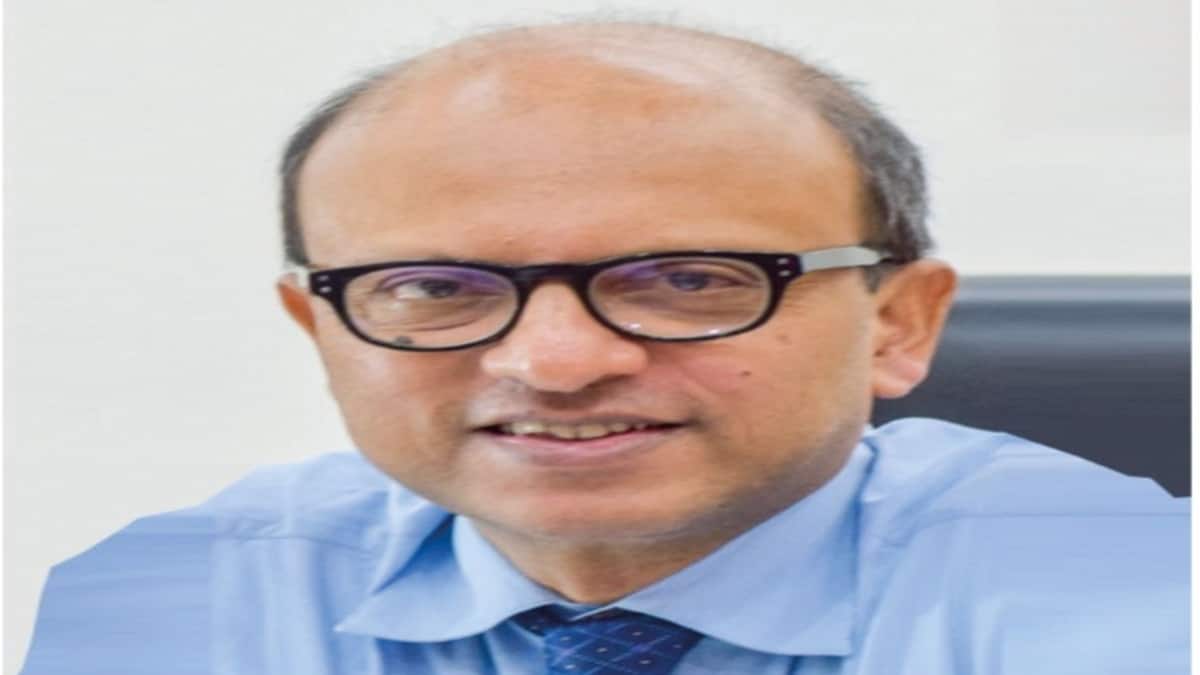
Management education in India is undergoing a steady transformation. Classrooms that once focused mainly on lectures and case studies are now becoming spaces for experimentation, digital learning, and skill building. Himadri Das, director general of International Management Institute (IMI), in an email interaction with Careers360, explains how business schools are preparing students for an AI-driven world, why emotional intelligence is more important than ever, and what future-ready management education truly means. Edited excerpts:
How would you describe the transformation of management education in India over the past decade?
The biggest shift has been from a content delivery model to a capability building model. A decade ago, management education in India was still largely classroom centric, case centric, and faculty led. Today, three forces have changed that – the explosion of digital tools, the entrance of global EdTech players, and industry’s demand for MBA graduates who can work with data and AI from Day 1.
We now see far more emphasis on analytics, design thinking, sectoral specialisations, internationalisation, and assurance of learning. Curricula are reviewed more frequently and there is greater alignment with global accreditation standards like AACSB and EQUIS.
Importantly, Indian B-schools have also become more outcomes focused, as a result of which placements, alumni progression, research quality, and industry engagement are now central to how they evaluate themselves.
What new skills or mindsets do you believe future managers must develop to stay relevant?
I would prioritise three:
a) Problem formulation and critical thinking – AI can generate options, but framing the right business question is still a human skill.
b) Data and AI collaboration – not just knowing tools, but knowing how to use them responsibly, interpret outputs, and communicate decisions with evidence.
c) Learning agility – the half-life of skills has shortened, so managers must be comfortable with unlearning and relearning.
Also read ‘IIM Calcutta’s new programmes to include 40% AI-based content’: Director
What is your take on the current state of collaboration between industry and academia in India?
It is better than before, but still a long way to go. We do see more live projects and guest sessions. Some companies are willing to share sanitised datasets, which is very encouraging. But to make this truly impactful, the engagement has to become integrated before companies and B Schools co-create and co-deliver curriculum, companies bring specific problem statements, and student–faculty teams deliver outputs usable by the companies. We need more flexible NDAs or Non-Disclosure Agreements so that students can learn on real current problems, not just outdated case studies.
What more can be done to make MBA education more practical, experiential, and outcome-oriented?
Three things:
- Modular, swappable curriculum units tied to current industry problems, so we can update very frequently.
- Assessment redesign that moves from “submit a report” to “show me the outcome”, such as a working model, a simulation result, an implementation plan, or a client presentation.
- Embedded industry presence with CXOs (C- suite leaders), product leaders, and data leaders being inside the classroom more often, evaluating students jointly with faculty.
When these are in place, Assurance of Learning (AoL) becomes real as it is possible to actually measure capability.
Also read ‘IIM Ahmedabad aims to extend full or partial freeships to 40% of students’: Director
How has IMI performed in terms of placements in recent years?
We have maintained a strong placement record, despite the hiring slowdowns that many sectors experienced post-2022. We have not been able to move up CTC numbers as aggressively as we would have liked to, but the quality of roles has been on a positive trajectory. The mix of roles has changed and so has the evidence recruiters want to see.
- There is steady demand for roles in consulting, BFSI, and analytics.
- Recruiters increasingly look for students who can demonstrate AI augmented productivity, using analytics or automation to improve a process.
- Internships and live projects are playing a bigger role in final offers.
Our focus has been to prepare students with portfolios of skills and capabilities, not just CVs, so that employers can see what the student has actually built or solved.
How important are emotional intelligence and empathy in contemporary models of leadership?
More important than before. Technology has automated tasks but not trust. When teams are hybrid, global, and under constant change, leaders who listen, contextualise, and communicate with empathy get better execution. Emotional intelligence also protects organisations from purely tool driven decision making that ignores ethics, and inclusion.
So while we teach analytics and AI, we simultaneously teach reflection, feedback, and stakeholder communication because in the final analysis, strategy succeeds only when people buy into it.
How does International Management Institute support students who wish to pursue non-traditional career paths — such as entrepreneurship, start-ups, or work in the social sector?
We recognise that not every student wants a conventional corporate role. Our support works in two ways:
a) Exposure and electives – courses on entrepreneurship, innovation, digital business, and social impact help students understand the mechanics of building or scaling an idea.
b) Mentoring and networks – connect students with alumni founders, incubators, and impact organisations.
Also read ‘MDI Gurgaon’s AICTE recognition is freedom with responsibility’: Dean on Category 1 autonomy
IMI has long been known for its flagship PGDM programmes. How have these evolved to meet the changing expectations of students, recruiters, and the industry?
The evolution has been in frequency, flexibility, and focus on assurance of learning.
Frequency: We review and refresh course content more often to bring in AI, analytics, and contemporary sectoral issues.
Flexibility: More electives, more cross-functional courses, and opportunities to work on live projects where possible.
Assurance of learning: Clearer learning goals, clearer rubrics, and more performance based assessments, so that students can demonstrate what they can do, not just what they have studied.
Across all variants of our PGDMs, the underlying philosophy is the same, we treat AI as an amplifier of human intent, and graduate managers who can ask better questions, build or critique AI enabled solutions responsibly, and communicate decisions with evidence.
 Add as a preferred source on google
Follow us for the latest education news on colleges and universities, admission, courses, exams, research, education policies, study abroad and more..
To get in touch, write to us at news@careers360.com.
Next Story
]Latest Education News
]Related News
]Sikkim CJ inspects NIT campus at Ravangla for proposed National Law University
Jamia protest latest update: Students enter campus after gates reopen, allege assault by security personnel
MICA collaborates with Aranya Sahay; announces creative fellowship for marginalised filmmakers


