
UGC asks higher educational institutions to introduce disaster management skill course for UG students
Aatif Ammad | January 31, 2026 | 08:29 PM IST | 2 mins read
NIDM-designed course will focus on preparedness, first aid, evacuation drills and community response skills for undergraduates
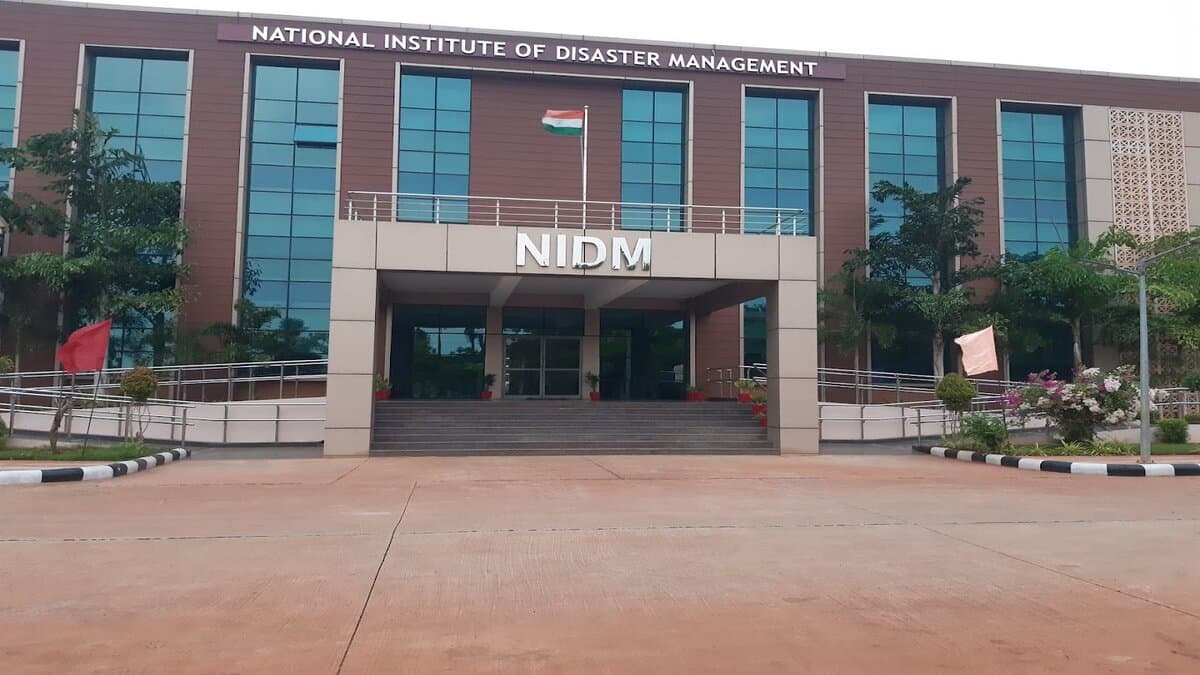
The University Grants Commission (UGC) has asked higher education institutions to consider offering a 2-credit skill enhancement course on disaster management. The course, designed by the National Institute of Disaster Management (NIDM), will teach students how to prepare for, respond to, and recover from disasters through basic planning, safety skills, and community-level action.
A ready model curriculum has been provided for adoption by universities and colleges from the academic year 2026–27.
As per the UGC, the course will help undergraduate students from all disciplines understand how disasters affect lives, how risks can be reduced, and what role individuals and institutions play during emergencies. The focus is on practical learning—such as safety planning, first aid, evacuation drills, and community awareness—rather than theory alone. The course aligns with the National Education Policy (NEP) 2020 and seeks to prepare young people for real-life crisis situations, UGC notice said.
Also read What are UGC Equity Regulations 2026 and why are they facing ‘general-category’ backlash?
As per the model curriculum prepared by NIDM, the course will introduce students to the role of key disaster management institutions in India, including national and state agencies involved in disaster response and early warning systems. Students will also study case studies of major disasters in India, helping them understand what went wrong and what lessons were learned.
UGC course: Focus on disaster safety and response skills
A major part of the course will focus on preparedness and response planning. This includes learning how disaster plans are made, how risks are identified in communities, and how evacuation plans, mock drills, and crowd management are carried out. Students will also get basic exposure to how emergency forces such as disaster response teams, police, fire services, and volunteers function during crises.
The curriculum also places strong emphasis on life-saving skills. Students will be taught first aid basics, emergency response during floods, earthquakes, fires, heatwaves, and other disasters, as well as simple household preparedness like emergency kits, safe drinking water practices, and personal safety measures. Attention will also be given to mental health support and public health challenges that arise after disasters.
Another component is field exposure and community engagement. Students may visit emergency operation centres, fire stations, or disaster-prone areas, take part in mock drills, and work on community awareness activities such as street plays, campaigns, and local disaster plans. The course encourages students to engage directly with communities and local authorities to understand real-life challenges.
 Add as a preferred source on google
Follow us for the latest education news on colleges and universities, admission, courses, exams, research, education policies, study abroad and more..
To get in touch, write to us at news@careers360.com.
Next Story
]Latest Education News
]Related News
]NEET PG Counselling 2026 LIVE: MCC round 1 seat allotment results out; MD, MS cutoffs
Delhi University announces Erasmus Mobility selection process for students, PhD scholars, faculty
MCC NEET PG counselling 2026 round 1 allotment result out; 28,728 candidates allotted MD, MS seats


