
Medical Colleges: NMC mandates more beds in select PG courses, fewer faculty for private institutes
Musab Qazi | March 21, 2026 | 07:56 AM IST | 3 mins read
NMC revises seat-to-bed ratios across specialty depts; 1:2 faculty ratio at private institutes; No private practice for faculty during lunch hour
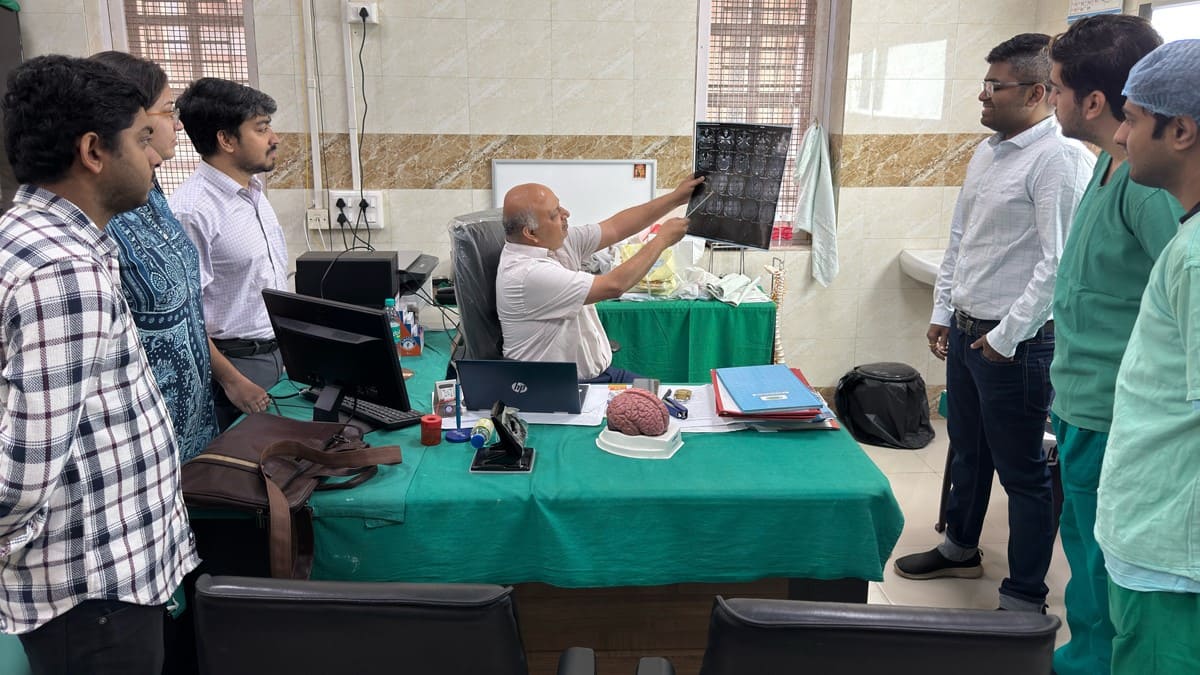
The National Medical Commission (NMC) has increased the bed requirement for some of the postgraduation (PG) departments at all medical colleges, while bringing down the faculty requirement at the private ones.
The commission has also put a limit on the number of units and beds in each of the departments, while the colleges are also required to maintain a more updated and detailed website. The regulator has also clarified that the faculty members are prohibited from pursuing private practice even during college lunch hours.
The NMC has notified the changes through a recent amendment to the Post-Graduate Minimum Standards of Requirements, 2023 (PGMSR-2023), the rules outlining the infrastructure, clinical and teacher norms for starting and running PG programmes in medical colleges. These directives are issued pursuant to the Post-Graduate Medical Education Regulations, 2023.
NMC on specialty, super specialty depts
Under the revised rules, several broad specialty and all of super speciality departments in private colleges are now required to have a larger number of beds per seat to increase their intake, in comparison to the ratio specified in the previous version PGMSR, which has been in force since August 2024. The government colleges must also have a higher count of beds for certain courses.
While the earlier rules had fixed a uniform bed requirement for the two types of institutes, the new norms have put in place a higher bar for those run by private management.
For instance, both government and private medical colleges are now allowed only four seats for 40 beds in general surgery, orthopaedics, obstetrics and gynaecology, and traumatology and surgery departments, down from the five seats permitted for the same number of beds earlier.
In case of departments such as general medicine, paediatrics, emergency medicine and geriatrics, only the private colleges’ bed requirement has been increased from 40 per four seats, while the government colleges will continue to get five seats. The bed requirement for the lower bracket of seat count remains unchanged – 20 for two and 30 for three – for both the institutes.
On the other hand, in some specialties, such as psychiatry, dermatology, venerology and leprosy, radiation oncology; and physical medicine and rehabilitation, government institutes will get more seats than previously allowed – five per 16 beds instead of five per 20 – even as the private colleges’ student-to-bed ratio for these departments continues to be the same.
For certain surgical super-specialities, including neuro surgery, paediatric surgery and surgical oncology, all colleges will now get only four seats for 30 beds, down from five per 30. The private institutes will have to be content with the same ratio – four per 30 – for the remaining super-specialty branches as well.
NMC: Faculty norms for private medical colleges
There’s also a slight change in the faculty norms for broad specialties in private institutes. While the previous rules required them to have one associate professor for each of the PG students, the new rules allocate two students per associate professor – as is the norm for government colleges.
At the same time, NMC has done away with a concession for more established private medical colleges – 10 years’ experience of running PG programmes – to have a 1:3 professor to student ratio, requiring all private institutes to follow a 1:2 ratio for the seniormost category of faculty.
Among other changes, the commission has introduced a new clause capping the number of units in each department at four and has fixed the maximum quantity of beds per unit at 40.
While retaining a clause barring faculty members from pursuing private practice during college hours, NMC has clarified that this prohibition applies even during lunch and other breaks. The commission has further noted that the rule extends to even the teachers in the states that do permit private practice after college hours.
The new rules also direct the colleges to update their websites in the first week of each month and require them to provide additional information asked by the NMC’s Post-Graduate Medical Board of Education (PBMBE).
 Add as a preferred source on google
Follow us for the latest education news on colleges and universities, admission, courses, exams, research, education policies, study abroad and more..
To get in touch, write to us at news@careers360.com.
Next Story
]Degrees Without Jobs: 40% of graduates in India can’t find work, fewer get salaried employment, finds report
State of Working India 2026 report finds more women enrolling in higher education but face stagnant salaries; rising MBBS, BTech fees, poor vocational training and deteriorating ITI quality deepen crisis
Shradha ChettriLatest Education News
]Related News
]PM Modi visits Sudha Gopalakrishnan Brain Centre on IIT Madras campus
IIIT Ranchi first-year BTech student dies by suicide, NHRC to probe alleged delay in medical treatment
SFI Mumbai condemns police ‘brutality’ against students, activists during anti-SIR protests, demands inquiry


