
OBC Creamy Layer: Parental income alone can’t decide status; must weigh social standing, occupation, rules SC
Sundararajan | March 12, 2026 | 05:36 PM IST | 2 mins read
The Supreme Court said determining OBC creamy layer status solely on the basis of parental income is not sustainable in law, must also weigh nature of employment
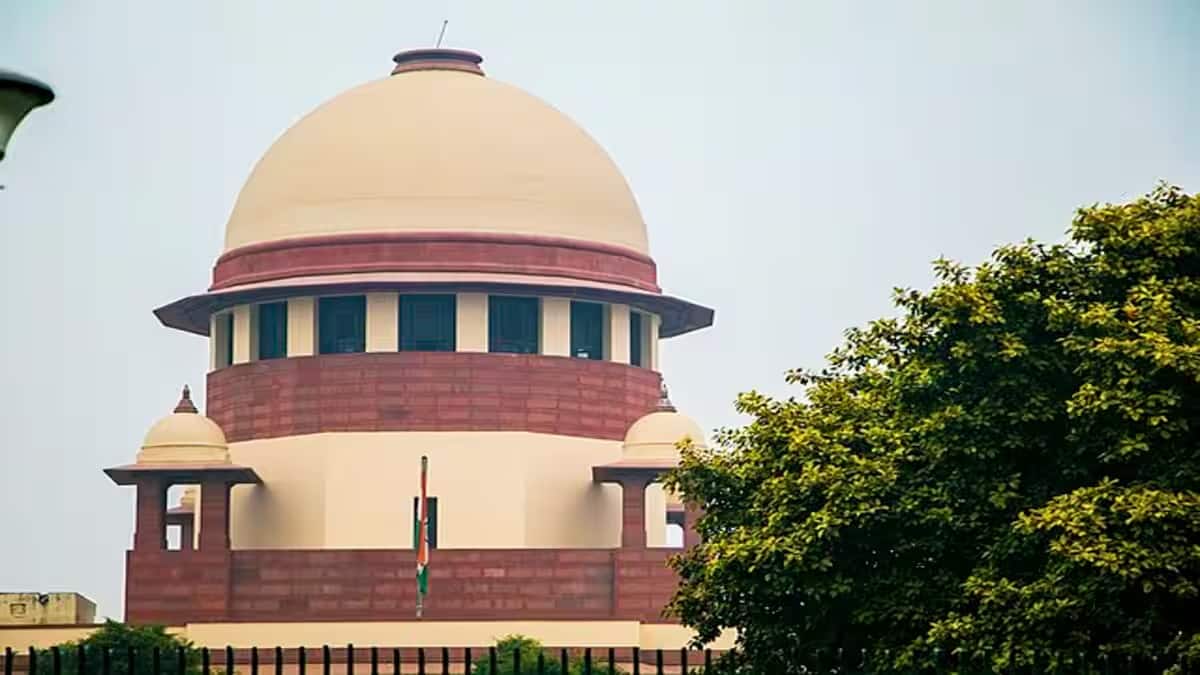
The Supreme Court of India on Thursday ruled that a candidate's parents' income alone cannot be used to determine whether an OBC candidate belongs to the 'creamy layer', holding that such an approach is ‘unsustainable in law’ and that societal status and parents’ occupation must also be weighed.
A bench of Justice PS Narasimha and Justice R Mahadevan delivered the ruling while hearing appeals filed by the centre against certain high court decisions.
The verdict could benefit many students applying for non-creamy layer (NCL) in government examinations and admissions to higher education institutions.
According to The Indian Express, the case involves OBC candidates who cleared the civil services examination but were deemed to belong to the 'creamy layer’, primarily because officials took into account their parents' income.
The court stated that determining "creamy layer" status solely based on income is "not sustainable in law." The judges observed that, prior to determining creamy layer status, authorities must also consider the family's social standing and the nature of the employment held by the parents, the Times of India reported.
In OBCs, the “creamy layer” – those with family income over Rs 8 lakh per year – is not eligible for reservation.
OBC creamy layer: SC ruling
“The court also noted that government rules on OBC reservation state that the position or category of the parents’ job should be considered along with income,” the TOI report said.
According to CNBC-TV18, the judges stated that relying solely on income could wrongly exclude certain eligible OBC candidates from reservation benefits.
“The court pointed out that if the circumstances of employees working in government services, public sector undertakings, banks, or private companies are identical, they should not be treated differently,” CNBC-TV18 said.
AIOBCSA welcomes ruling
The All India OBC Students Association (AIOBCSA) welcomed the ruling. In a post on X, the association stated that the salary from PSU, private sector jobs, and banking alone cannot be used to determine “creamy layer” status and that the Department of Personnel and Training (DoPT) should first determine the equivalence of such jobs with government posts before applying creamy layer rules.
The student outfit said that this clarification would help ensure that eligible OBC candidates are not unfairly excluded from reservation benefits “solely on the basis of an income-based interpretation”.
 Add as a preferred source on google
Follow us for the latest education news on colleges and universities, admission, courses, exams, research, education policies, study abroad and more..
To get in touch, write to us at news@careers360.com.
Next Story
]Post-Matric Scholarship: Government plans to impose fee cap, raise income limit to Rs 4.5 lakh next year
The ministry of social justice and empowerment has told the parliament panel that it will raise the income limit for PMS Scholarship for SC to Rs 4.5 lakh and introduce a cap on course fee
Shradha ChettriLatest Education News
]Related News
]Maharashtra MBBS interns demand Rs 30,000 monthly stipend, warn of strike from November 2
J-K doubles MBBS, BDS interns' and FMGs' monthly stipend amid agitation
Medical interns in J-K restart agitation over stipend hike; allege government failed to honour assurance


